History
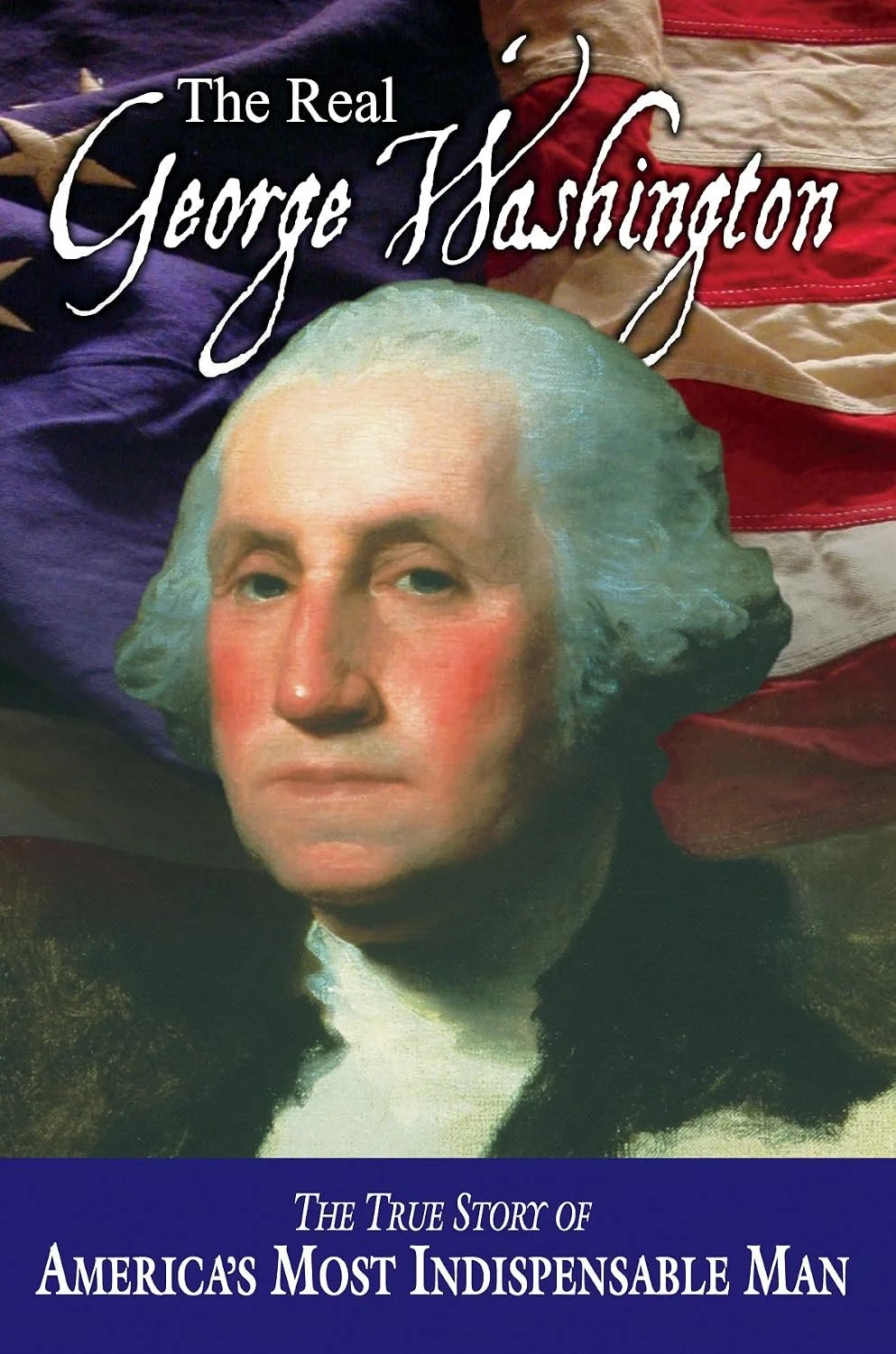
The Real George Washington
Andrew M. Allison
George Washington was the indispensable man of the American founding. Commander of the Continental Army, president of the Constitutional Convention, and the nation’s first president, he repeatedly placed duty above personal power. At a time when many feared that republican government might collapse into monarchy, Washington became famous for refusing the role of king and for surrendering authority when he could have tried to keep it. This book presents the man behind the legend: disciplined, flawed, deeply respected, and central to the survival of the American experiment.
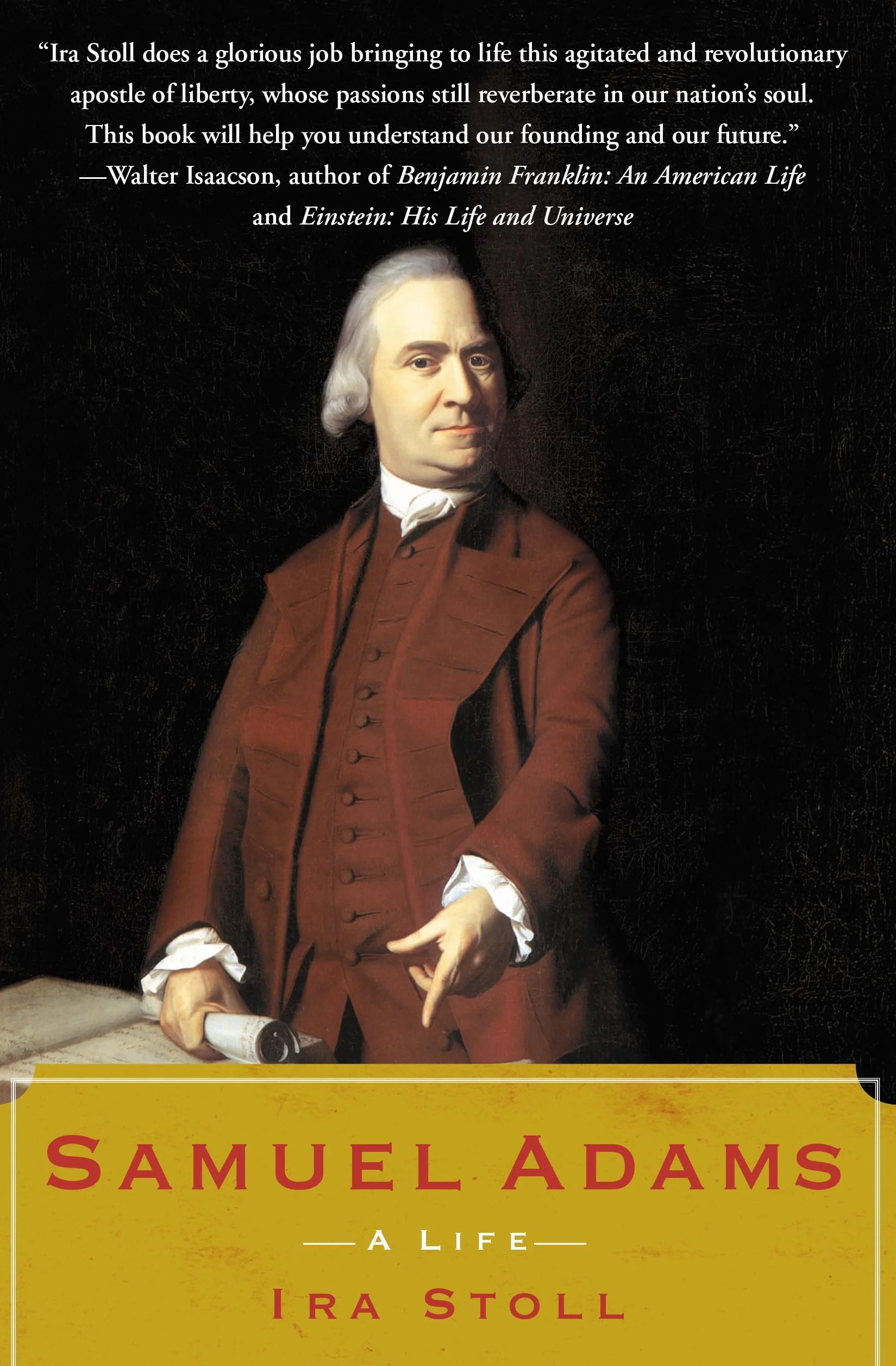
Samuel Adams: A Life
Ira Stoll
A biography of one of the most important—and often overshadowed—figures of the American Revolution. Ira Stoll presents Samuel Adams as a political organizer, writer, and defender of colonial liberty whose persistence helped turn resistance to British policy into a movement for independence. The book is especially valuable for readers who want to understand the ideas, networks, and political strategy that helped prepare the colonies for revolution.
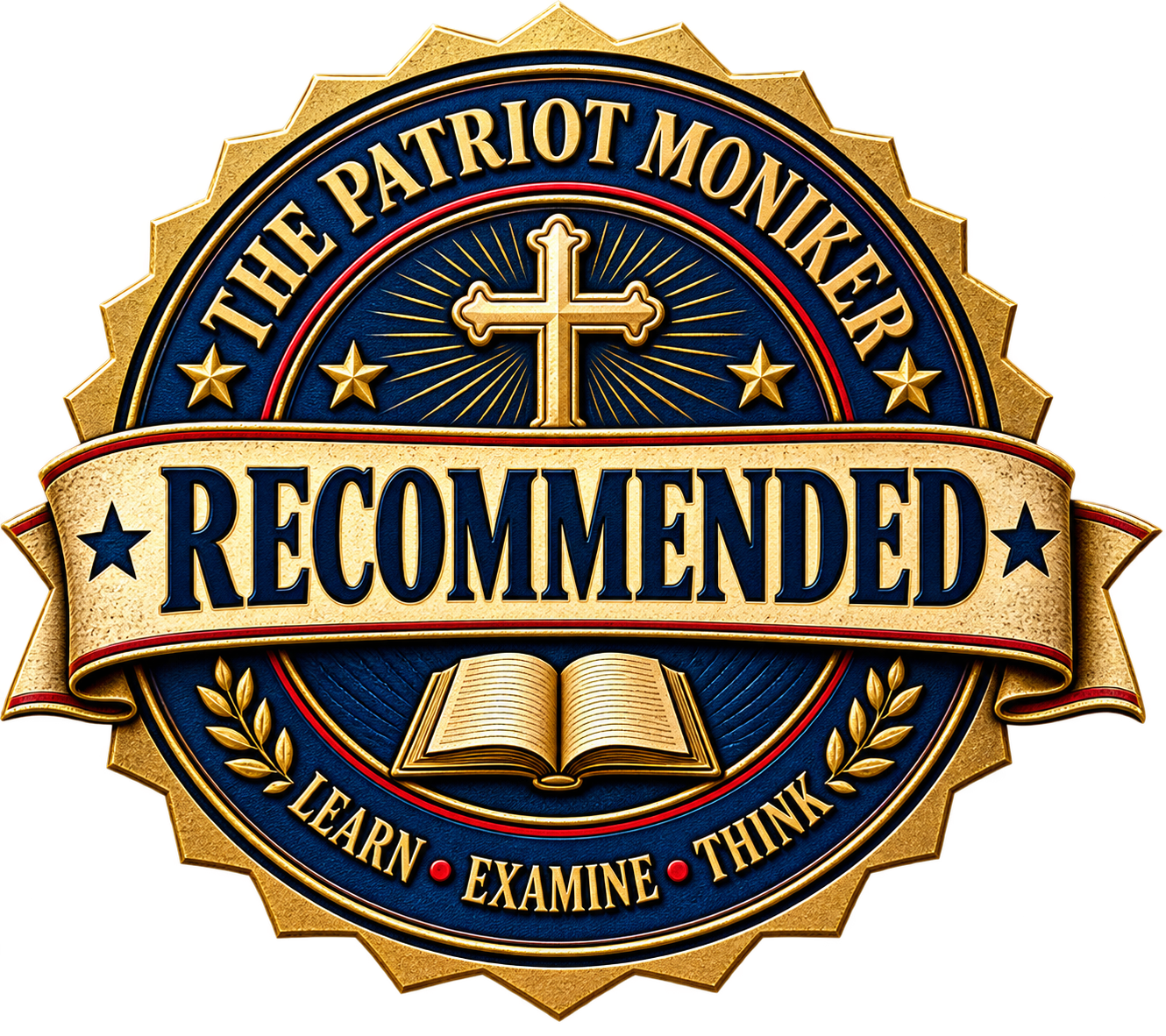
The Real Benjamin Franklin
Andrew M. Allison
Benjamin Franklin was more than an inventor and statesman; he was one of America’s most effective diplomats. Long before independence was declared, Franklin warned British leaders that continued attempts to restrict the colonists’ traditional liberties would provoke the very rebellion they feared. His warnings went largely unheeded—and history proved him right. This book presents Franklin as a practical thinker, negotiator, and defender of colonial rights whose understanding of both Britain and America made him one of the Revolution’s most important voices.
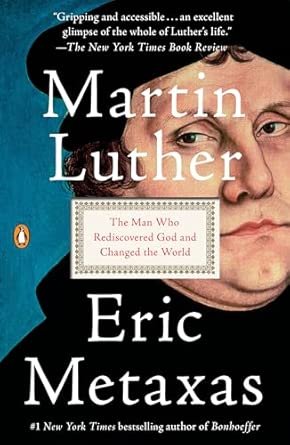
Martin Luther: The Man Who Rediscovered God and Changed the World
Eric Metaxas
A biography of Martin Luther that follows the monk whose challenge to church abuses helped ignite the Protestant Reformation. Eric Metaxas presents Luther as a deeply conflicted but determined man wrestling with sin, grace, authority, Scripture, and the question of how a person is made right with God. The book is especially useful for readers who want to understand both the religious convictions and historical events that made Luther one of the most consequential figures in Christian history.
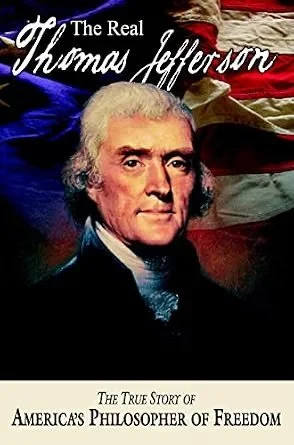
The Real Thomas Jefferson
Andrew M. Allison
A portrait of Thomas Jefferson as more than simply a Founding Father: a complicated man who grew from a pleasure-seeking young student into a relentless advocate of education, self-discipline, and intellectual independence. The book explores his personal losses, his political philosophy, his devotion to learning, and his unusual approach to the teachings of Jesus—including his creation of what became known as the Jefferson Bible. It also challenges the common portrayal of Jefferson as simply a deist and presents a fuller picture of the man behind some of America’s most influential ideas about liberty and self-government.
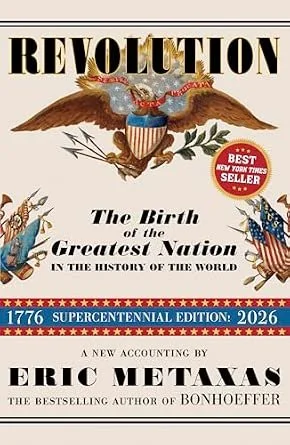
Revolution: The Birth of the Greatest Nation in the History of the World
Eric Metaxas
A sweeping account of the American Revolution that brings the people, battles, sacrifices, and ideas of the founding era to life. Metaxas focuses not only on the military struggle for independence, but also on the character, faith, and convictions of figures such as George Washington, John Adams, Nathan Hale, Henry Knox, Benedict Arnold, and others. It is a strong choice for readers who want to understand the Revolution as a human story of courage, political principle, and the difficult birth of the United States.
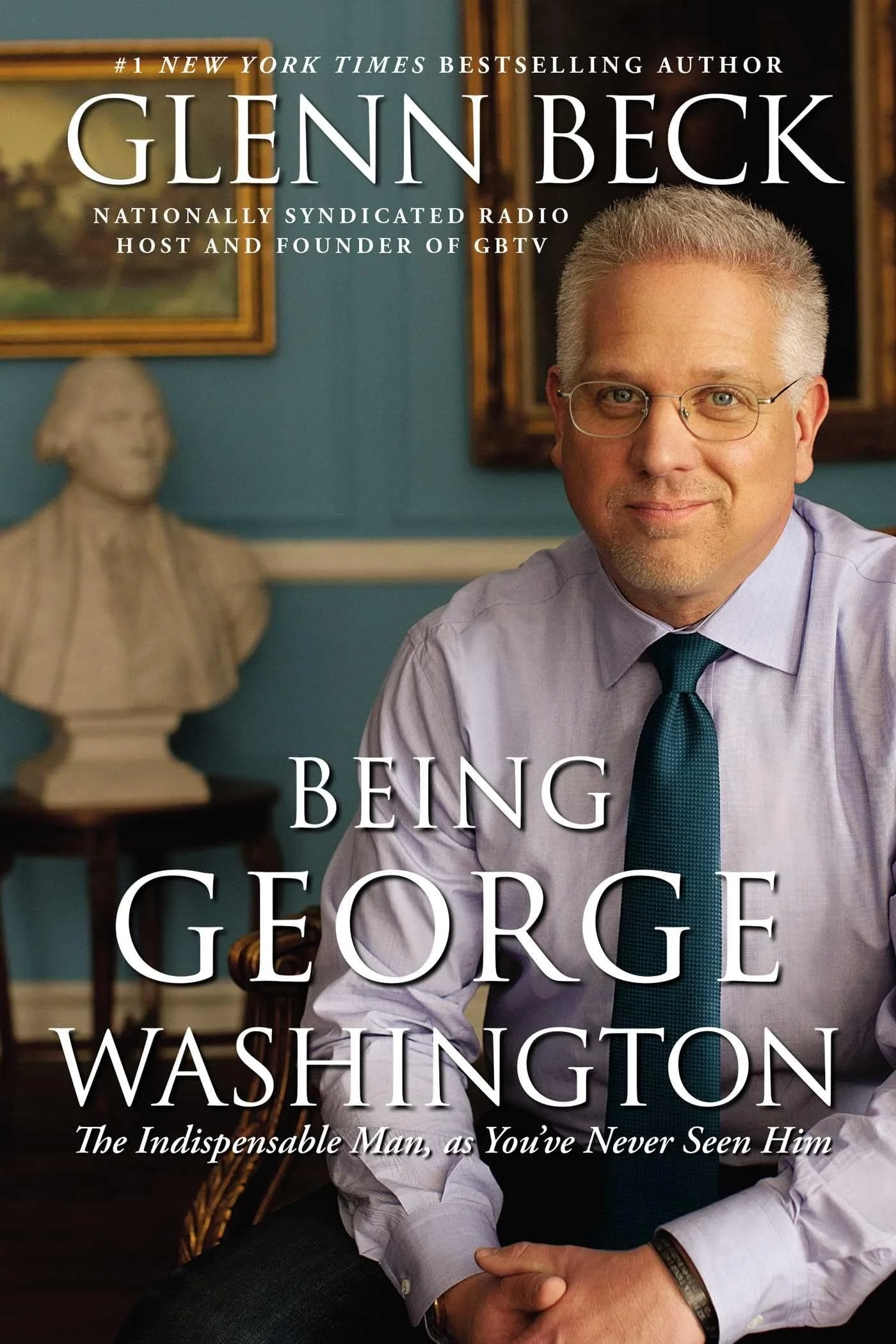
Being George Washington
Glenn Beck
A character-driven look at George Washington that focuses less on dates and battles and more on the principles that made him an extraordinary leader. Glenn Beck presents Washington as a man shaped by discipline, restraint, courage, humility, and a deep sense of duty. The book emphasizes the choices Washington made when ambition, power, and personal interest could easily have pulled him in another direction. It is especially valuable for readers interested in leadership, character, and the moral habits that helped make Washington the kind of man people were willing to follow.
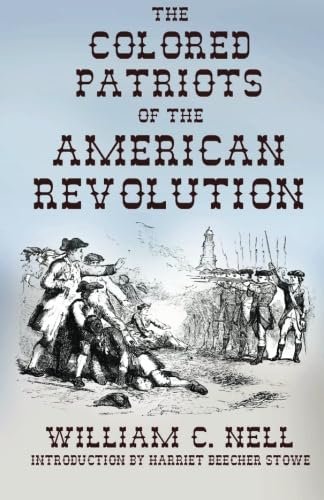
The Colored Patriots of the American Revolution
William Cooper Nell
A pioneering nineteenth-century history documenting the contributions of Black Americans to the Revolutionary War and the founding era. William Cooper Nell collected accounts of soldiers, sailors, patriots, and families whose service was often overlooked in traditional histories. The book is valuable both as a historical source and as an early effort to preserve the role Black Americans played in the struggle for independence.
Religion & Theology
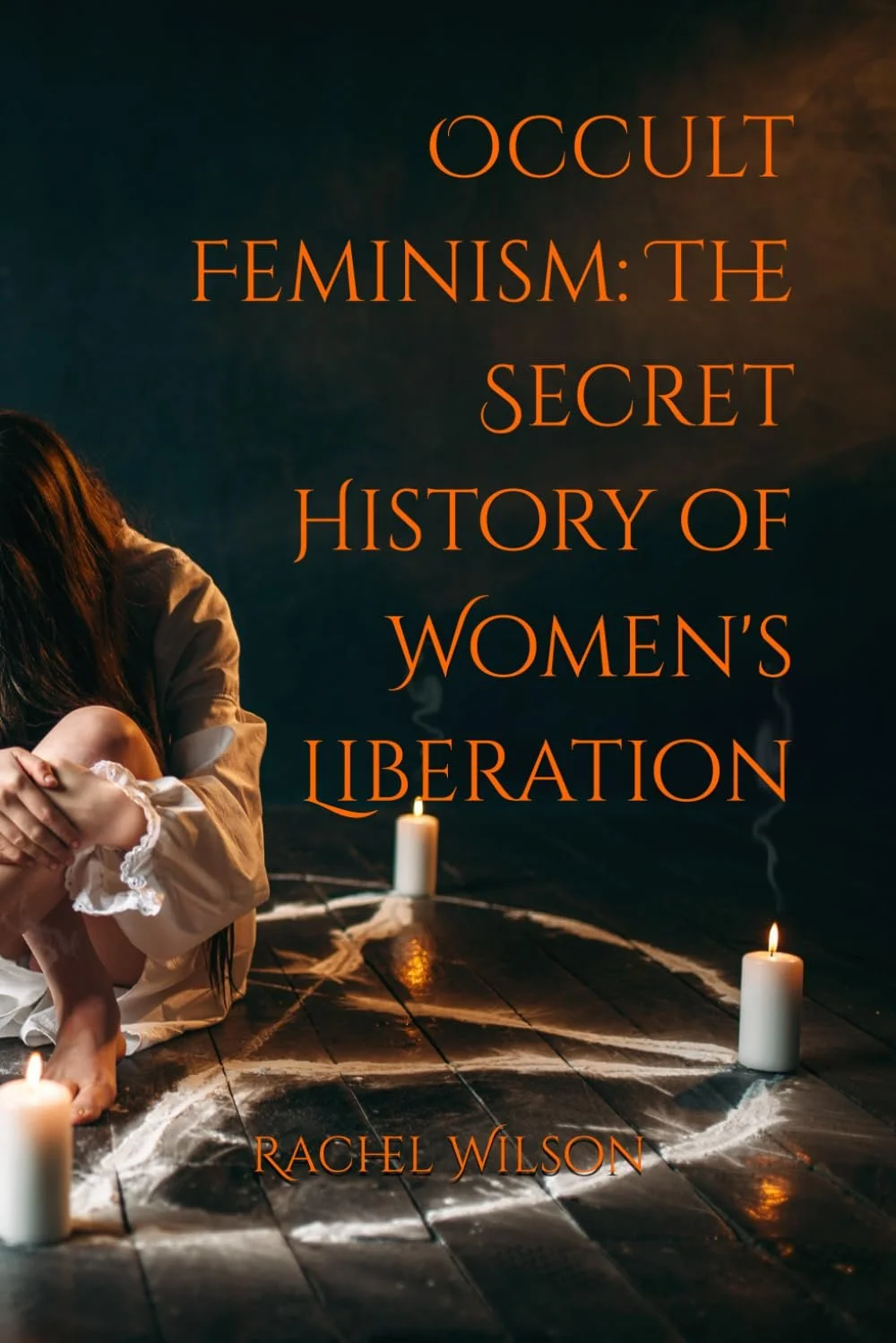
Occult Feminism: The Secret History of Women’s Liberation
Rachel Wilson
A provocative history of feminism that focuses on the occult, spiritualist, and esoteric influences connected to some figures in the women’s liberation movement. Rachel Wilson argues that feminism cannot be understood only as a political or social movement, but should also be examined through the religious and philosophical ideas surrounding some of its early advocates. Whether or not a reader accepts all of her conclusions, the book raises questions about the intellectual and spiritual roots of modern feminism that are rarely discussed in conventional histories.
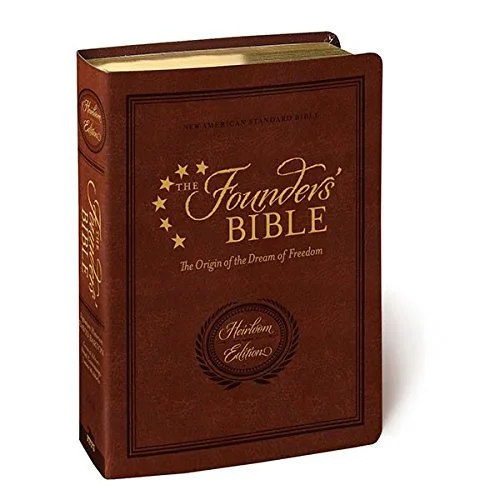
The Founder’s Bible (NASB)
WallBuilders
Every family should have a Bible worth keeping and passing down. The Founder’s Bible combines the Word of God with selected writings and historical material from America’s founding era, making it both a devotional resource and a family reference. It is especially useful for readers interested in the relationship between biblical ideas, the Founders, and the moral framework that shaped early American political thought.
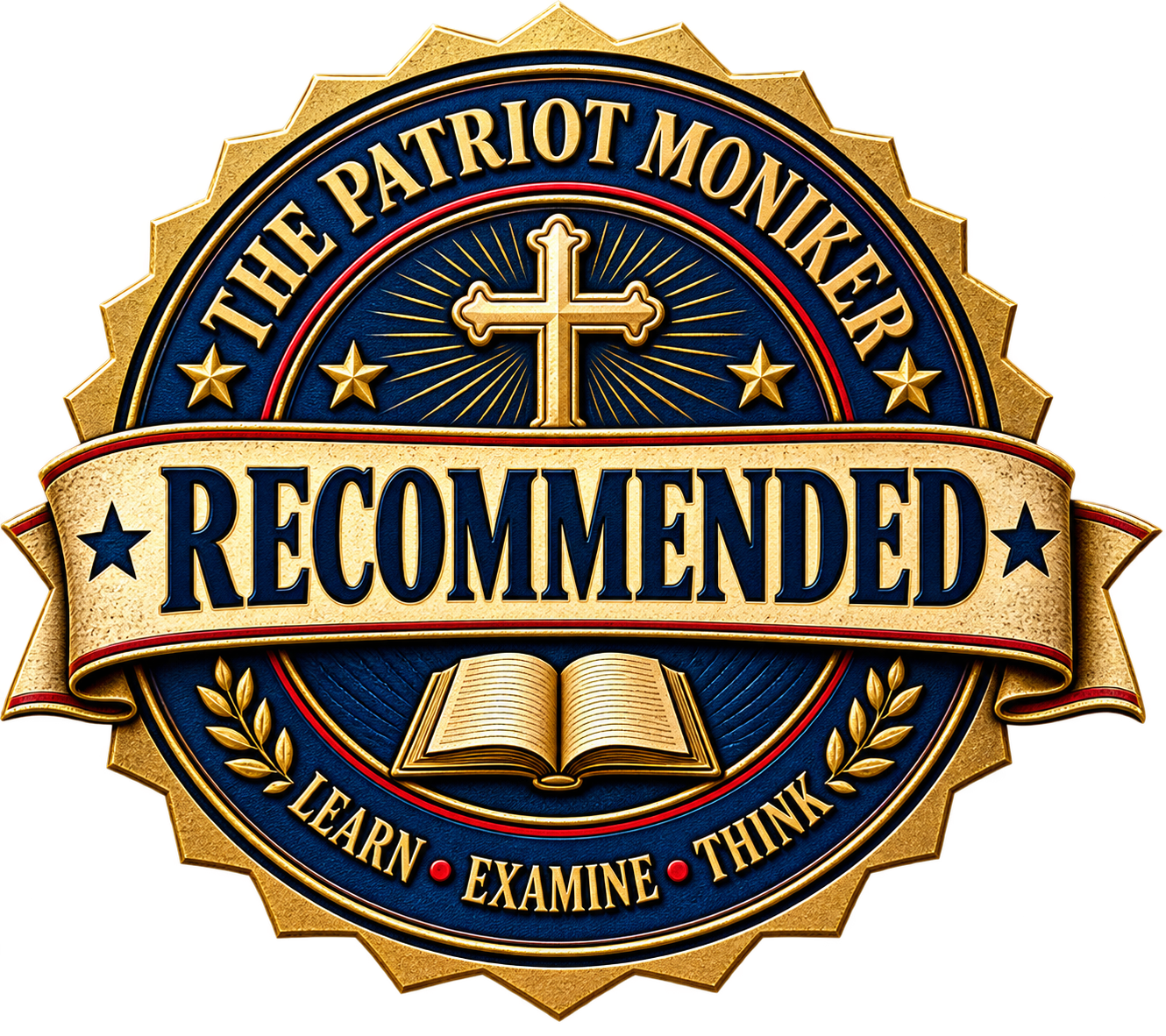
I Don’t Have Enough Faith to Be an Atheist
Norman L. Geisler and Frank Turek
A direct defense of the Christian worldview that argues belief in God and Christianity is more reasonable than many skeptics assume. The book walks through questions about truth, the existence of God, the reliability of the New Testament, and the case for the resurrection of Jesus. It is especially useful for readers who want a structured introduction to Christian apologetics and a clearer way to respond to common objections to the faith.
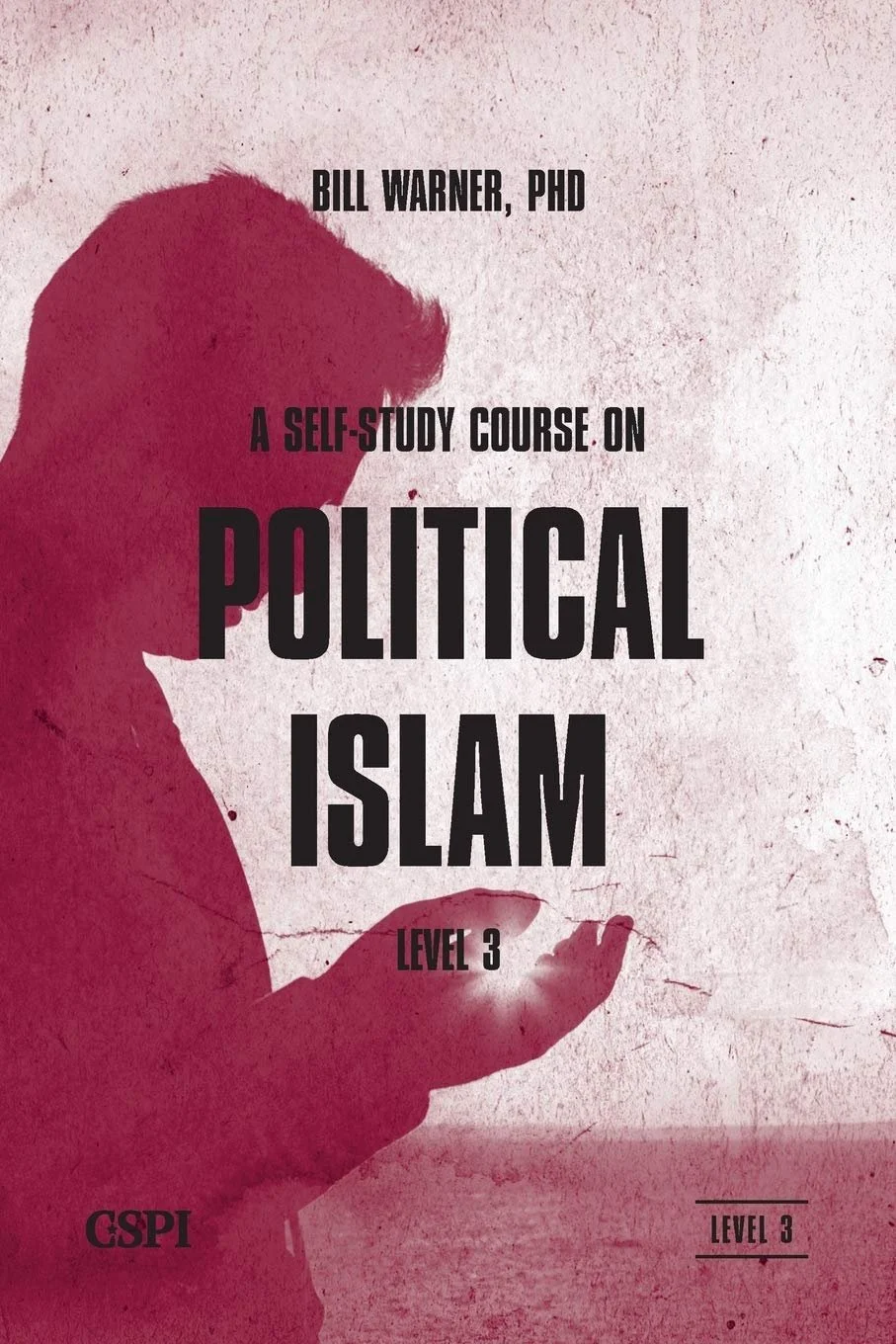
A Self-Study Course on Political Islam Level 3
Bill Warner
A structured introduction to Islam through the Qur’an, the Sira, and the Hadith, with particular emphasis on the political and legal dimensions Warner believes are often overlooked in ordinary discussions of Islam. The course is designed to walk readers through the source material systematically rather than rely only on secondary commentary. It is especially useful for readers who want to examine Warner’s argument directly and compare his conclusions with the Islamic texts he cites.
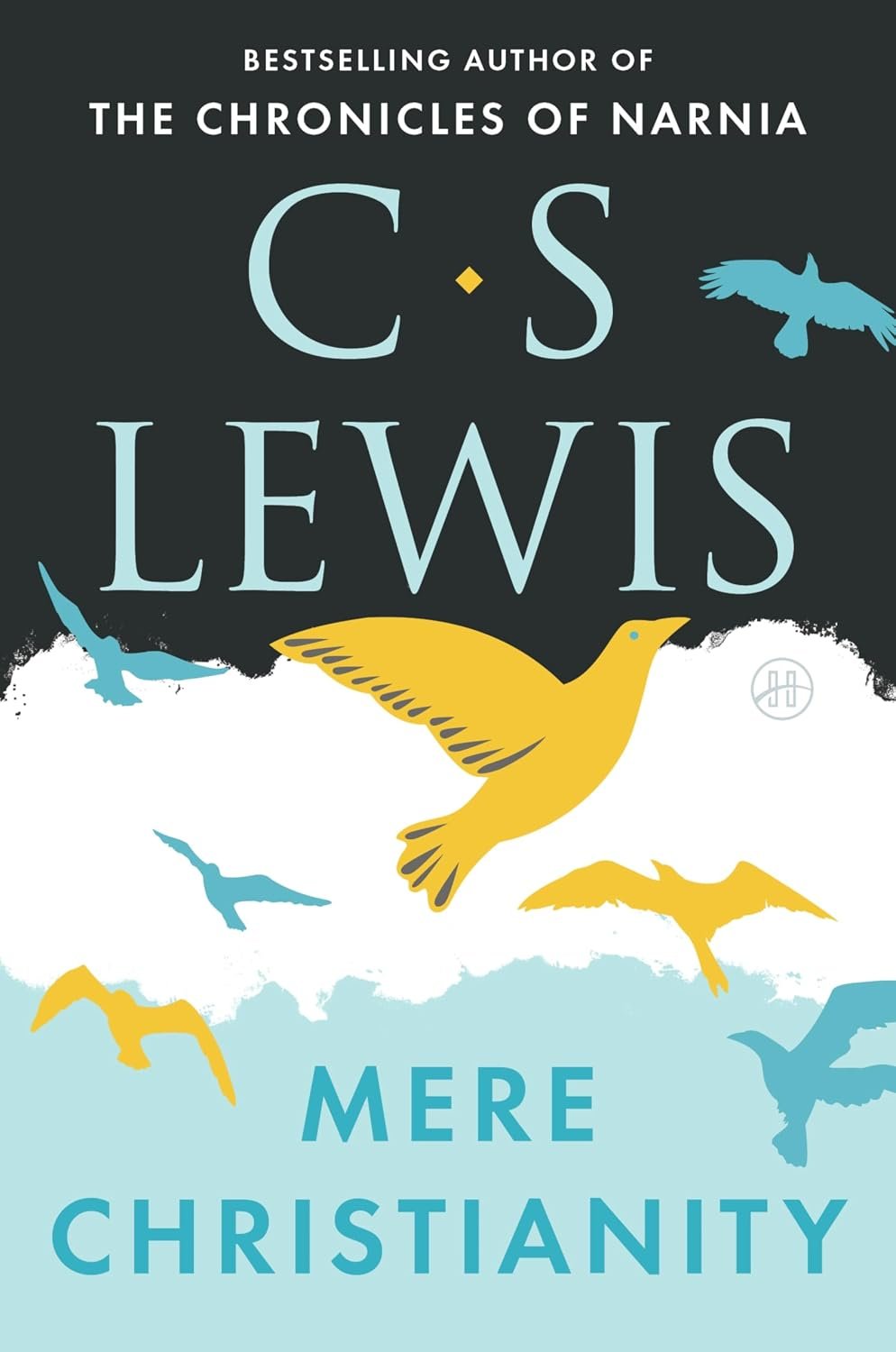
Mere Christianity
C. S. Lewis
Mere Christianity challenges the reader to examine not only what they believe, but how those beliefs shape the way they live. C. S. Lewis writes about morality, human nature, faith, pride, forgiveness, and what it means to treat others as we would want to be treated ourselves. It is the kind of book that encourages self-examination and makes familiar Christian ideas feel more demanding, practical, and personal.
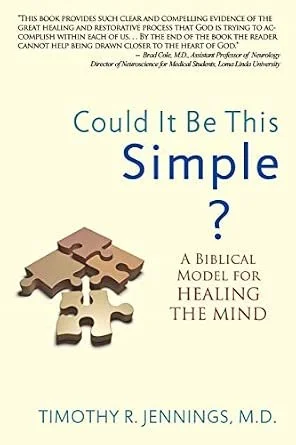
Could It Be This Simple?
Timothy R. Jennings, M.D.
A book about how our beliefs about God shape the way we think, feel, and live. Timothy Jennings combines Christian theology with insights from medicine and psychology to argue that fear-based views of God can distort faith, while a clearer understanding of God’s character can lead to greater trust, healthier relationships, and spiritual freedom. It is especially useful for readers interested in the connection between Christian belief, the mind, and personal transformation.
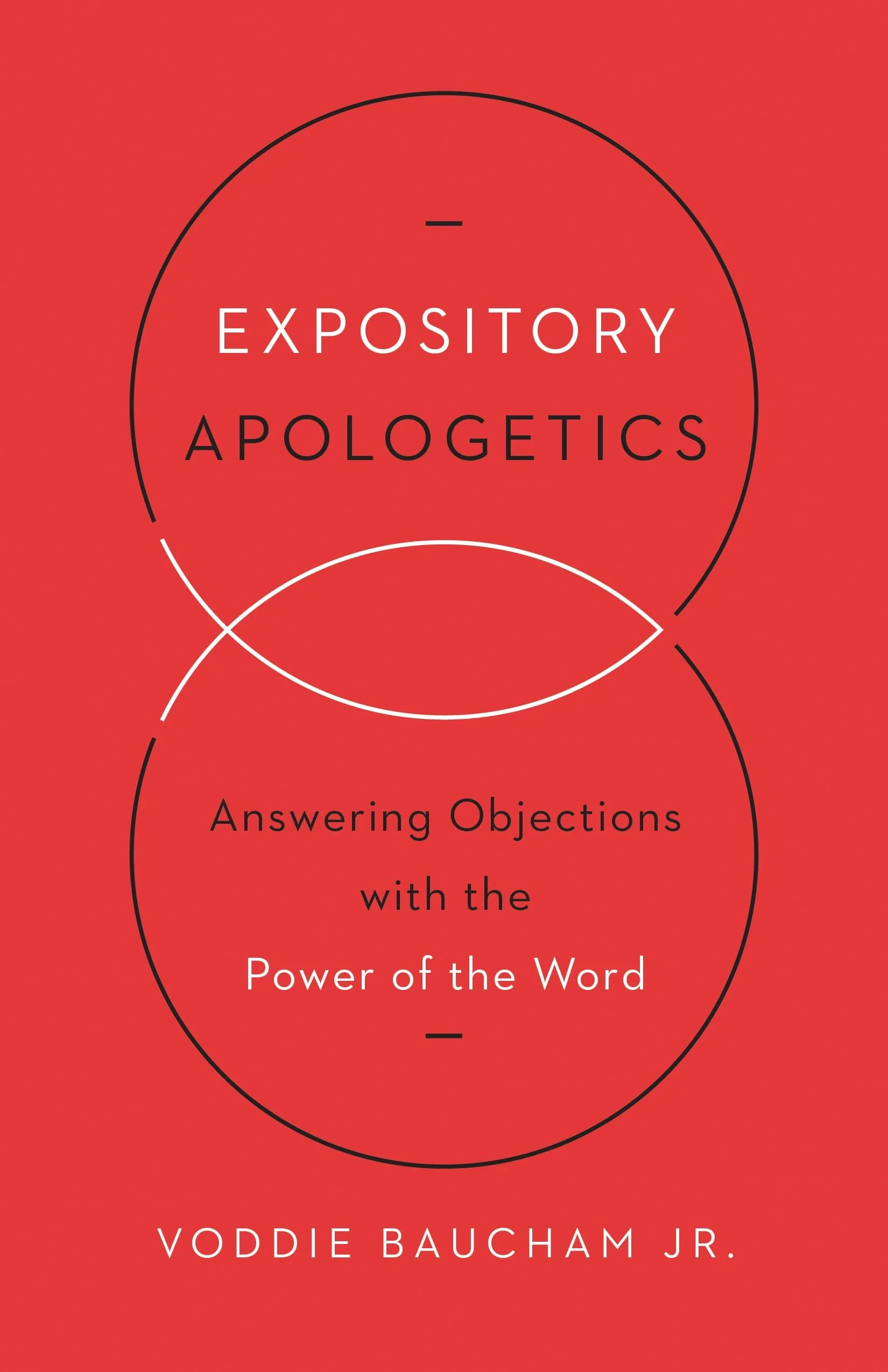
Expository Apologetics
Voddie Baucham Jr.
A practical guide to defending the Christian faith by beginning with Scripture rather than treating the Bible as something that must first be proven by outside authorities. Voddie Baucham emphasizes answering objections through careful biblical exposition, clear reasoning, and confidence in the authority of God’s Word. It is especially useful for Christians who want apologetics to grow naturally out of preaching, teaching, and everyday conversations rather than becoming a separate intellectual exercise.
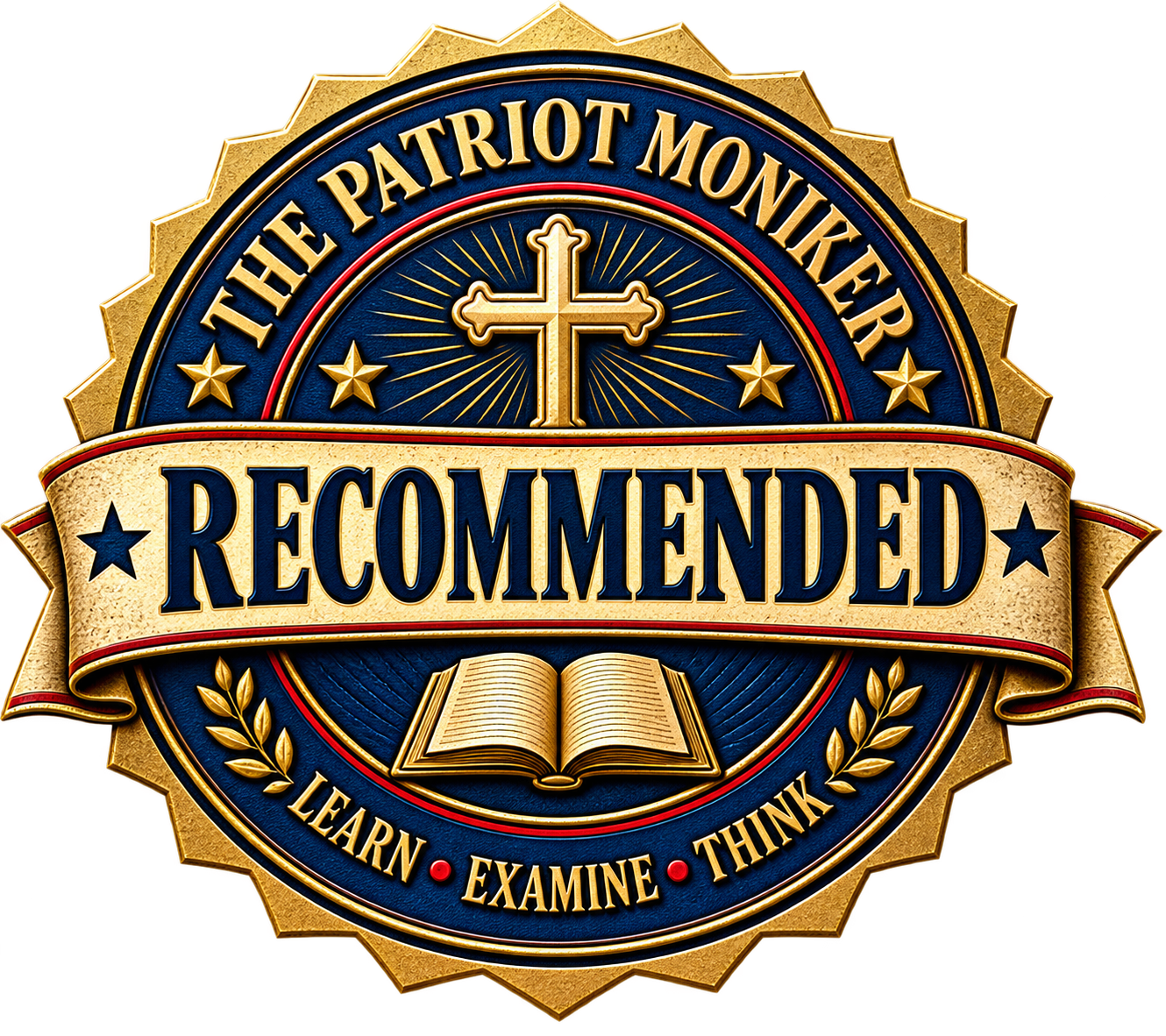
The Bondage Breaker
Neil T. Anderson
The Bondage Breaker focuses on spiritual freedom through understanding your identity in Christ. Neil T. Anderson addresses temptation, deception, fear, guilt, harmful patterns of thought, and the spiritual struggles that can keep Christians feeling trapped. The book emphasizes truth, repentance, forgiveness, and reliance on Christ rather than fear of the enemy. It is especially helpful for readers who want to examine the spiritual and mental strongholds that can interfere with living faithfully and confidently as a Christian.
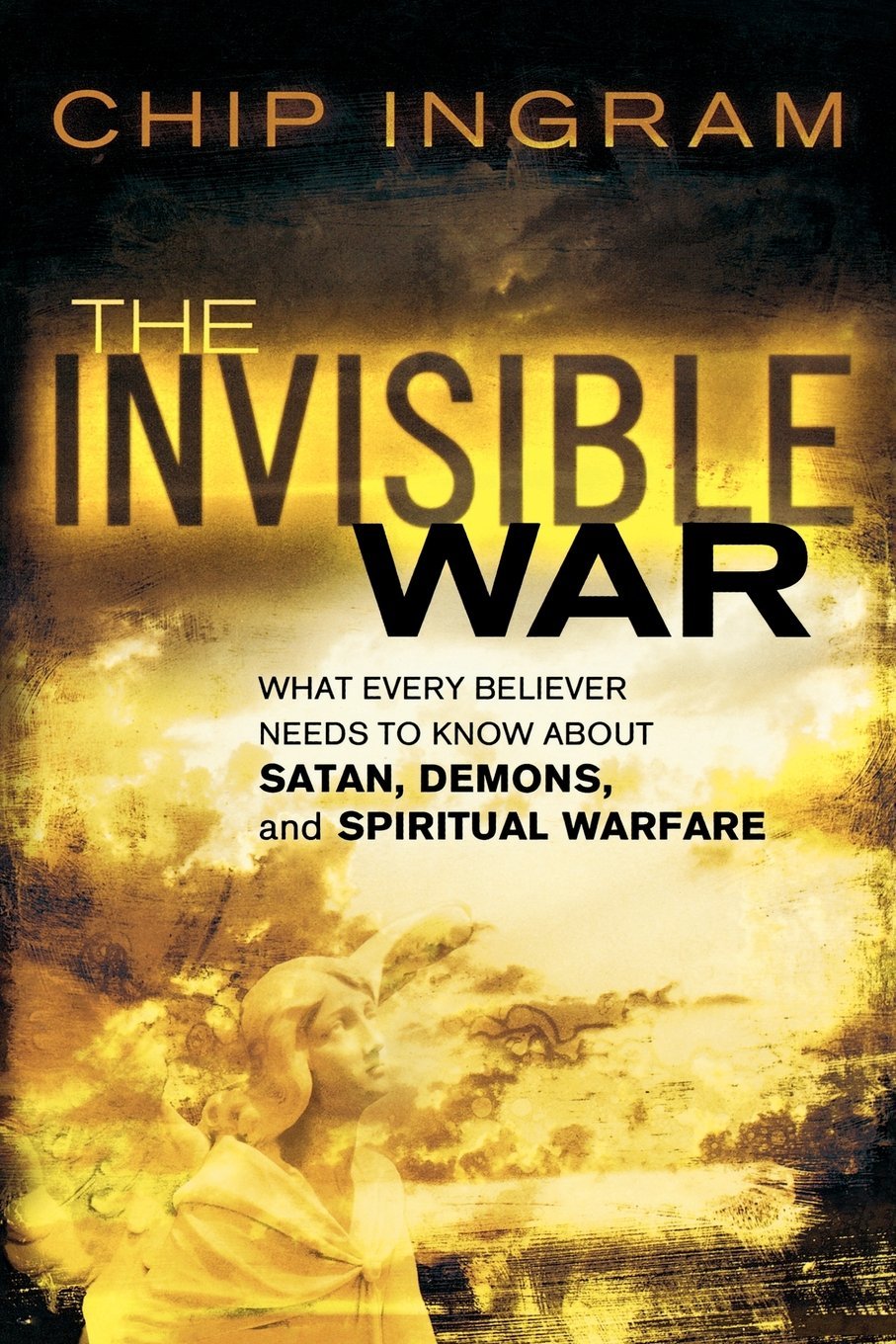
The Invisible War
Chip Ingram
A practical introduction to spiritual warfare that focuses on recognizing temptation, deception, fear, and the unseen battles Christians face in everyday life. Chip Ingram emphasizes understanding the believer’s identity in Christ, using Scripture faithfully, and responding to spiritual opposition with discernment rather than fear. It is especially helpful for readers who want a grounded, accessible guide to spiritual warfare without turning the subject into sensationalism.
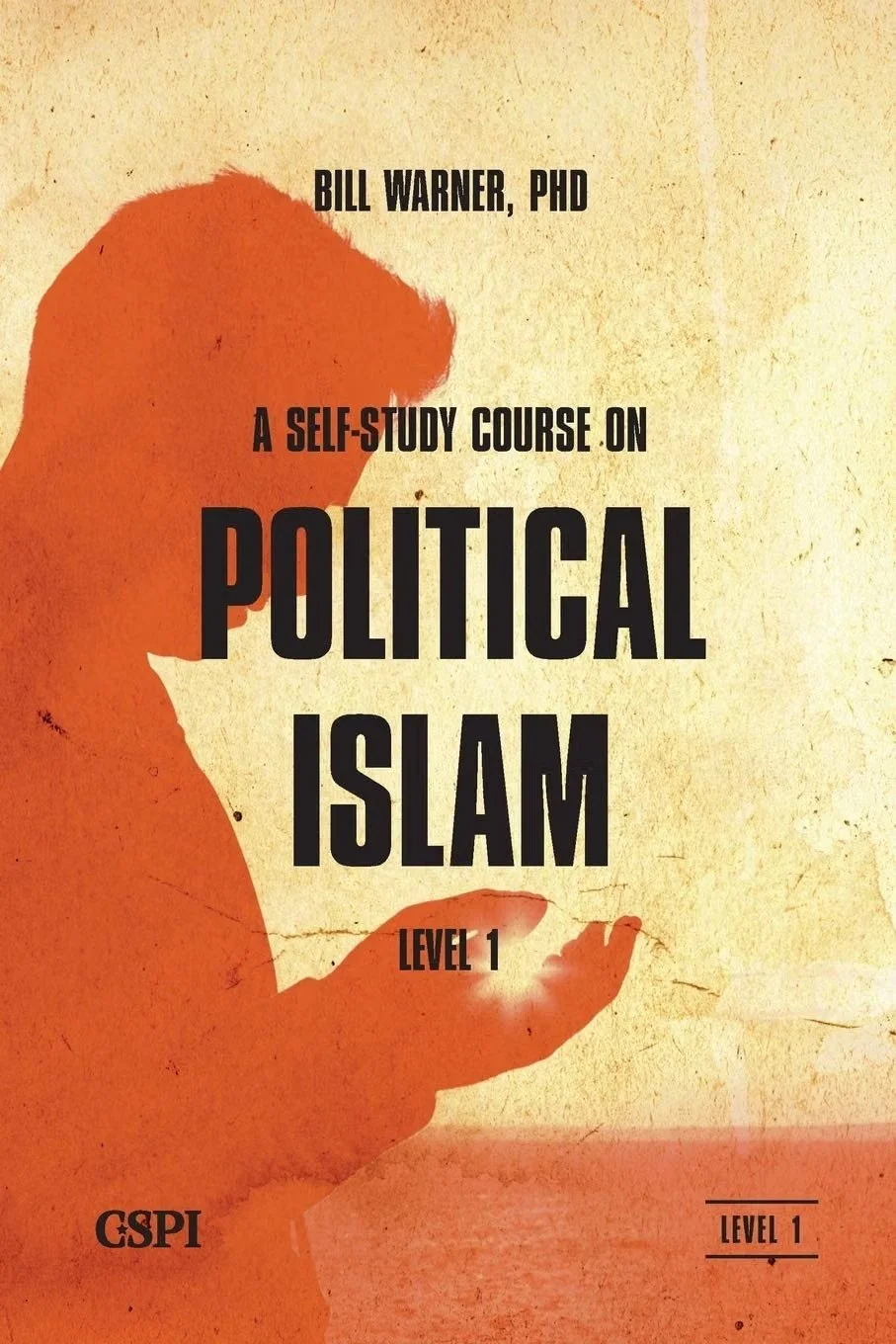
A Self-Study Course on Political Islam Level 1
Bill Warner
A structured introduction to Islam through the Qur’an, the Sira, and the Hadith, with particular emphasis on the political and legal dimensions Warner believes are often overlooked in ordinary discussions of Islam. The course is designed to walk readers through the source material systematically rather than rely only on secondary commentary. It is especially useful for readers who want to examine Warner’s argument directly and compare his conclusions with the Islamic texts he cites.
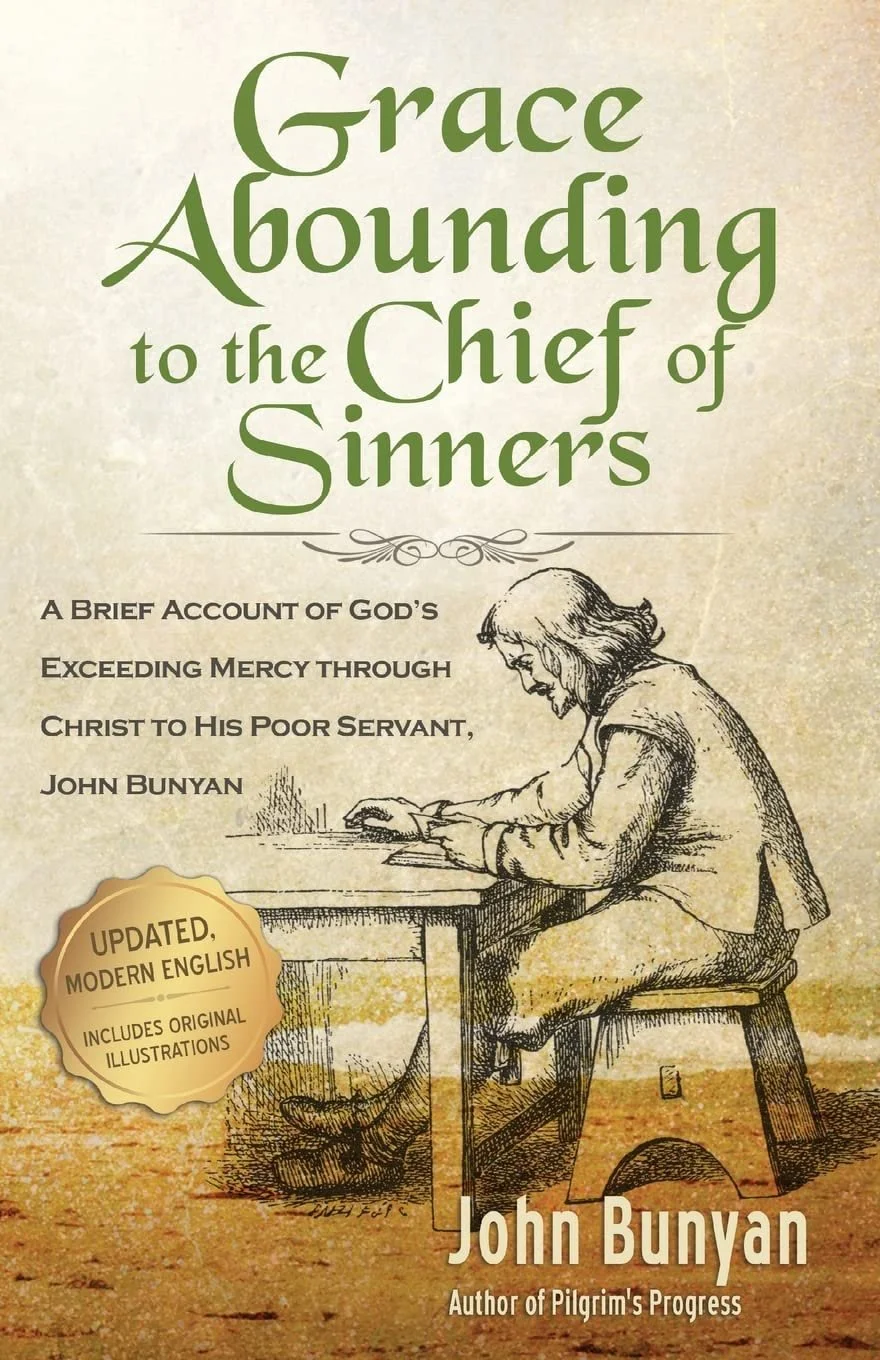
Grace Abounding to the Chief of Sinners
John Bunyan
John Bunyan’s spiritual autobiography is a raw account of guilt, doubt, temptation, fear, and the long struggle to understand the grace of God. Bunyan writes with unusual honesty about his own conscience and spiritual distress before finding assurance in Christ. I recommend it because it shows that intense inner struggle is not new to modern Christians, and that faith can be tested deeply without being destroyed.
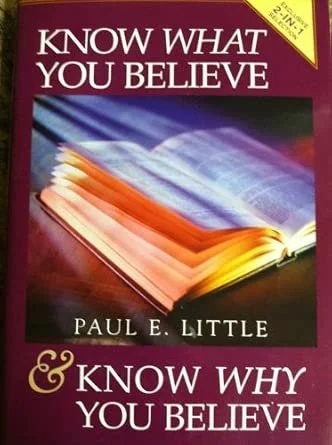
Know What You Believe and Why You Believe
Paul E. Little
A practical introduction to understanding the Christian faith and being able to explain it clearly. Paul E. Little walks through essential Christian beliefs while also addressing the questions and objections believers are likely to encounter. It is especially useful for Christians who want to move beyond simply saying what they believe and learn how to explain why they believe it with greater confidence, clarity, and reason.
What’s So Great About Christianity
Dinesh D’Souza
A broad defense of Christianity that challenges the idea that faith is intellectually outdated or culturally harmful. Dinesh D’Souza addresses questions about God, morality, science, history, and the influence Christianity has had on Western civilization. The book is especially useful for readers who want an accessible apologetic that responds to common secular criticisms while making the case that Christianity remains intellectually serious and socially significant.
A Self-Study Course on Political Islam Level 2
Bill Warner
A structured introduction to Islam through the Qur’an, the Sira, and the Hadith, with particular emphasis on the political and legal dimensions Warner believes are often overlooked in ordinary discussions of Islam. The course is designed to walk readers through the source material systematically rather than rely only on secondary commentary. It is especially useful for readers who want to examine Warner’s argument directly and compare his conclusions with the Islamic texts he cites.
The Coconut Oil Miracle
Bruce Fife
A practical look at coconut oil and the ways it has traditionally been used in food, health, and everyday living. Bruce Fife argues that coconut oil has been unfairly dismissed because of its saturated fat content and presents it as a useful dietary fat with a variety of potential applications. It is a good read for anyone interested in nutrition, traditional foods, and alternative approaches to health.
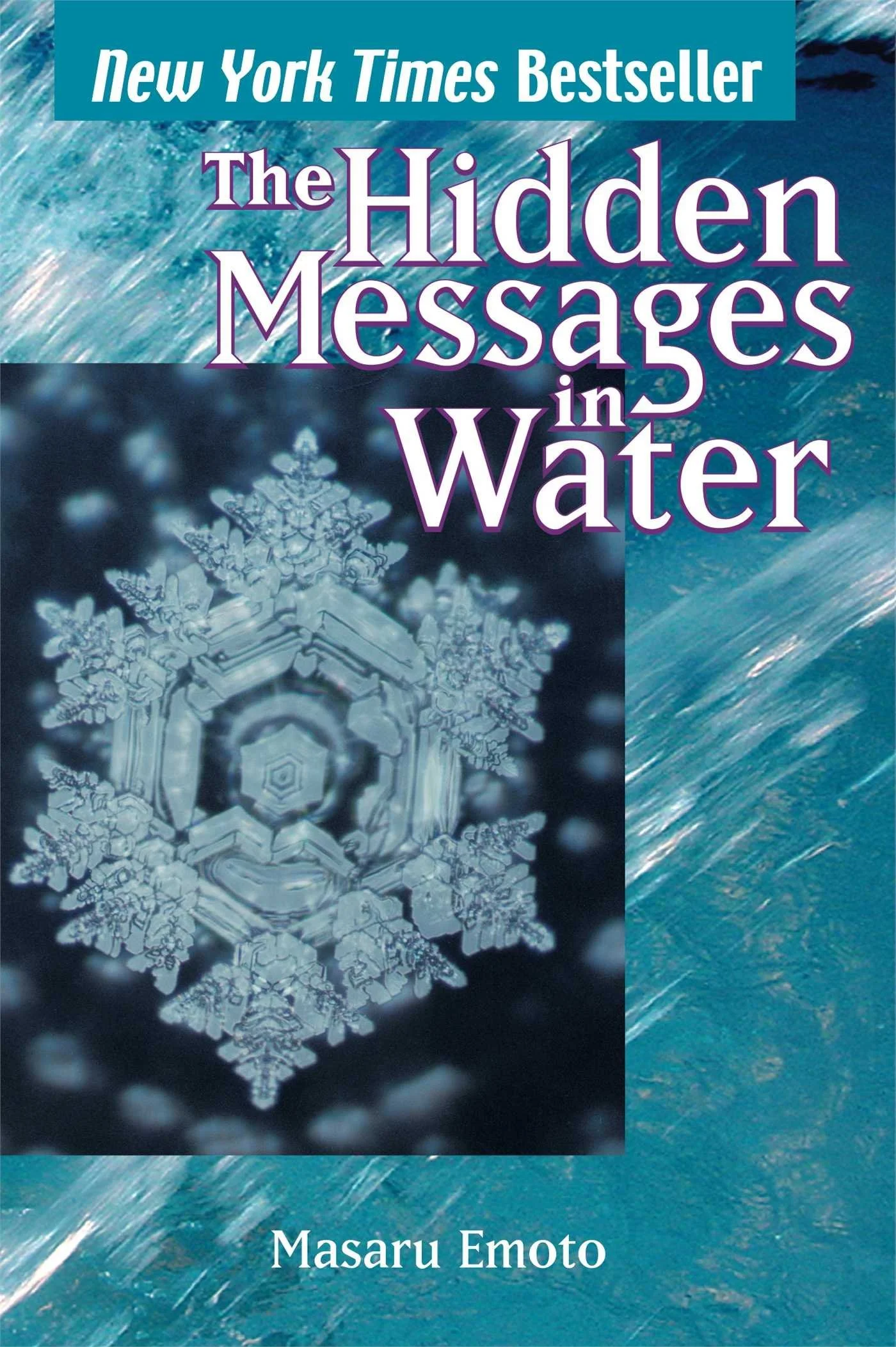
The Hidden Messages in Water
Masaru Emoto
A fascinating exploration of the idea that words, thoughts, music, and intention may affect the physical world around us, illustrated through photographs of frozen water crystals. Having read it, I found that the book lends enormous weight to an ancient warning we often overlook: words have power. Whether spoken or written, what we say can encourage, wound, build up, or tear down. Beyond its claims about water, the book made me think much more seriously about the responsibility we carry in the words we choose and the effect they may have on others.
Health
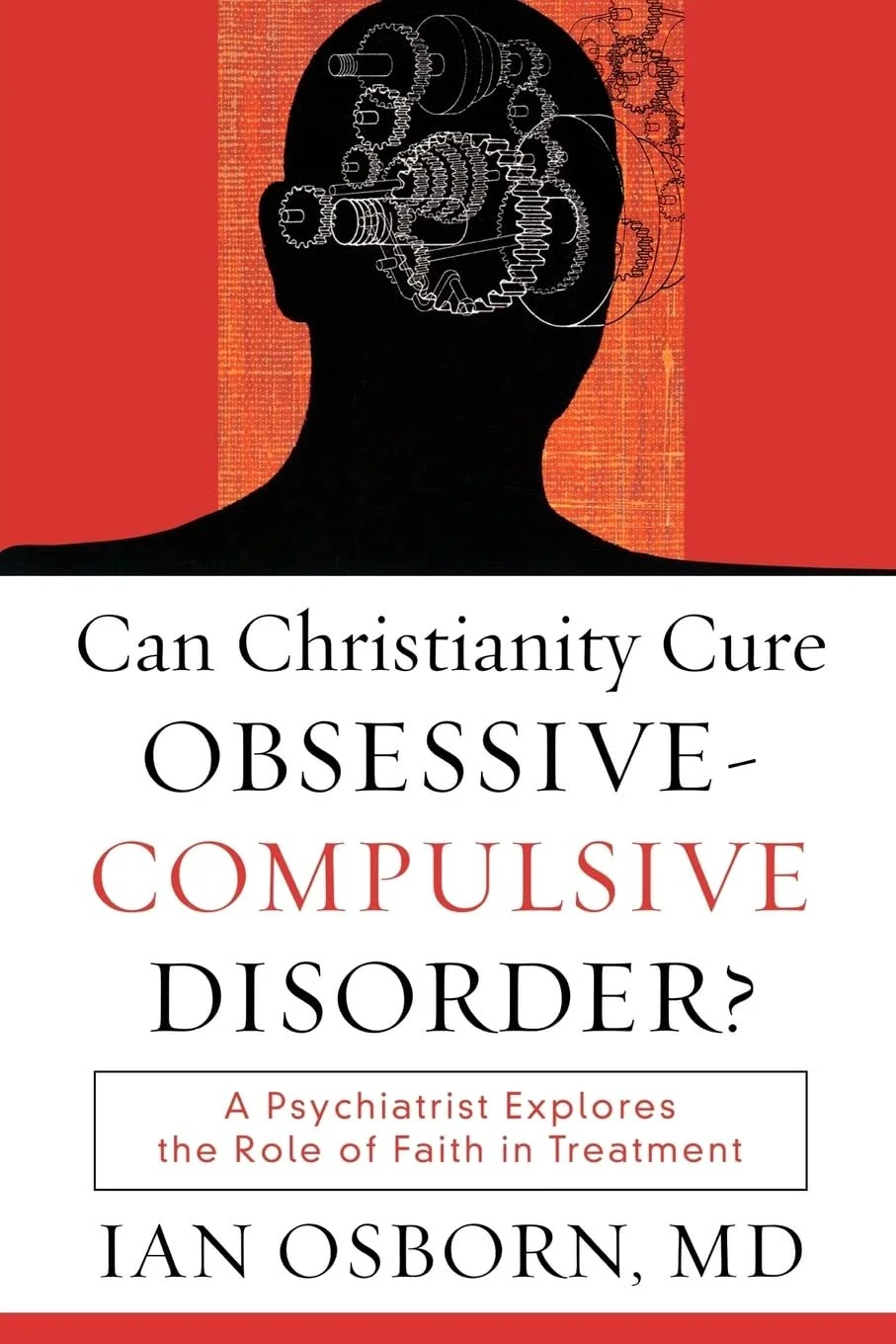
Can Christianity Cure Obsessive-Compulsive Disorder?
Ian Osborn, M.D.
A thoughtful examination of obsessive-compulsive disorder from both psychiatric and Christian perspectives. Ian Osborn draws on clinical experience, historical Christian writings, and accounts of believers who struggled with obsessive fears and compulsions to explore how faith can affect the experience of OCD. The book is especially valuable for Christians who want to understand the difference between genuine conviction and obsessive guilt, while also seeing how spiritual beliefs and established treatment can intersect.
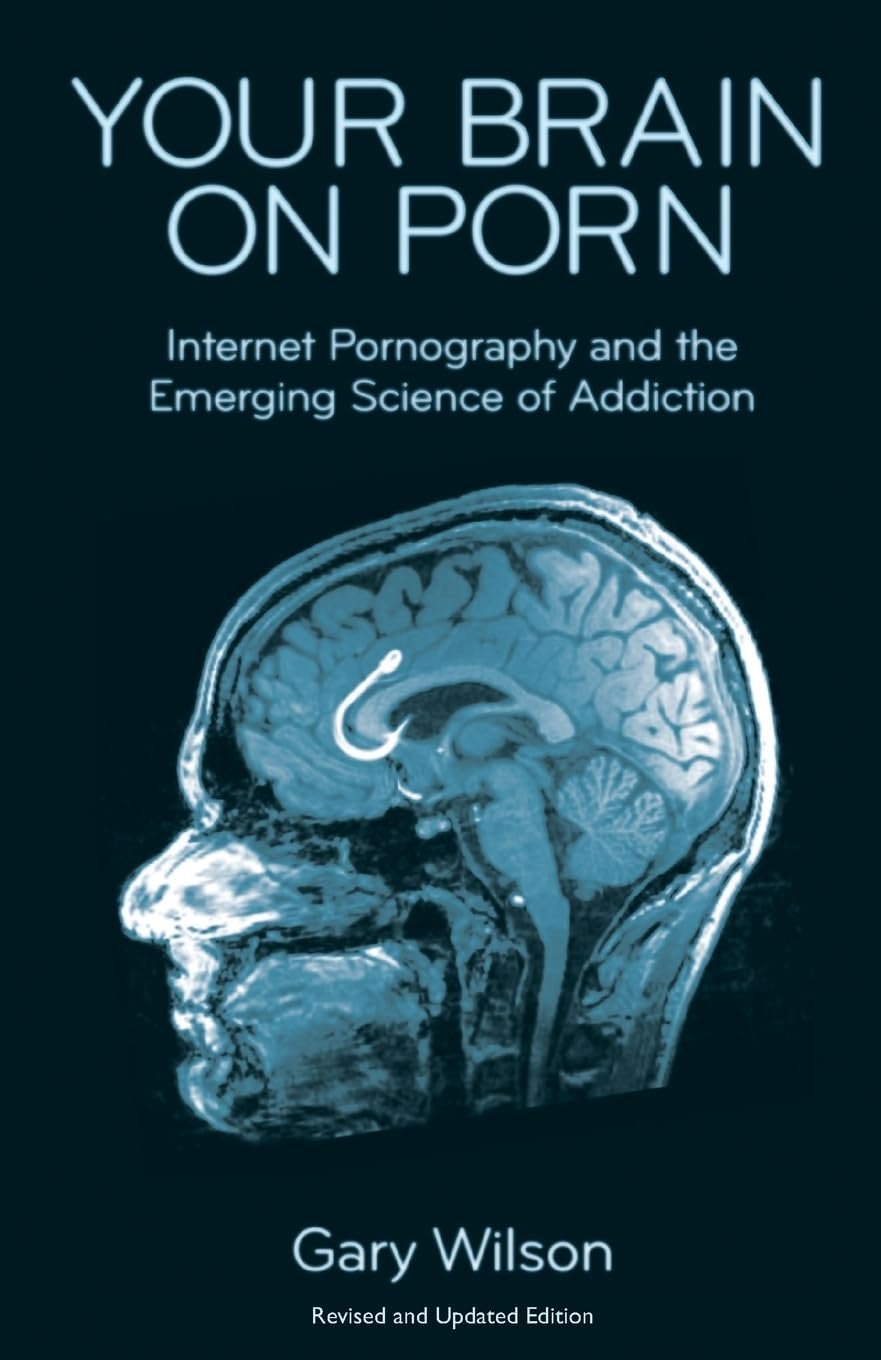
Your Brain on Porn
Gary Wilson
A book examining how internet pornography can affect the brain, habits, motivation, relationships, and sexual behavior. Gary Wilson draws on neuroscience, personal accounts, and addiction research to argue that repeated exposure to highly stimulating online pornography can reshape reward pathways and make ordinary life feel less satisfying. I’d recommend it for readers who want to understand why pornography can become difficult to quit and how changing those habits may affect attention, mood, relationships, and self-control.
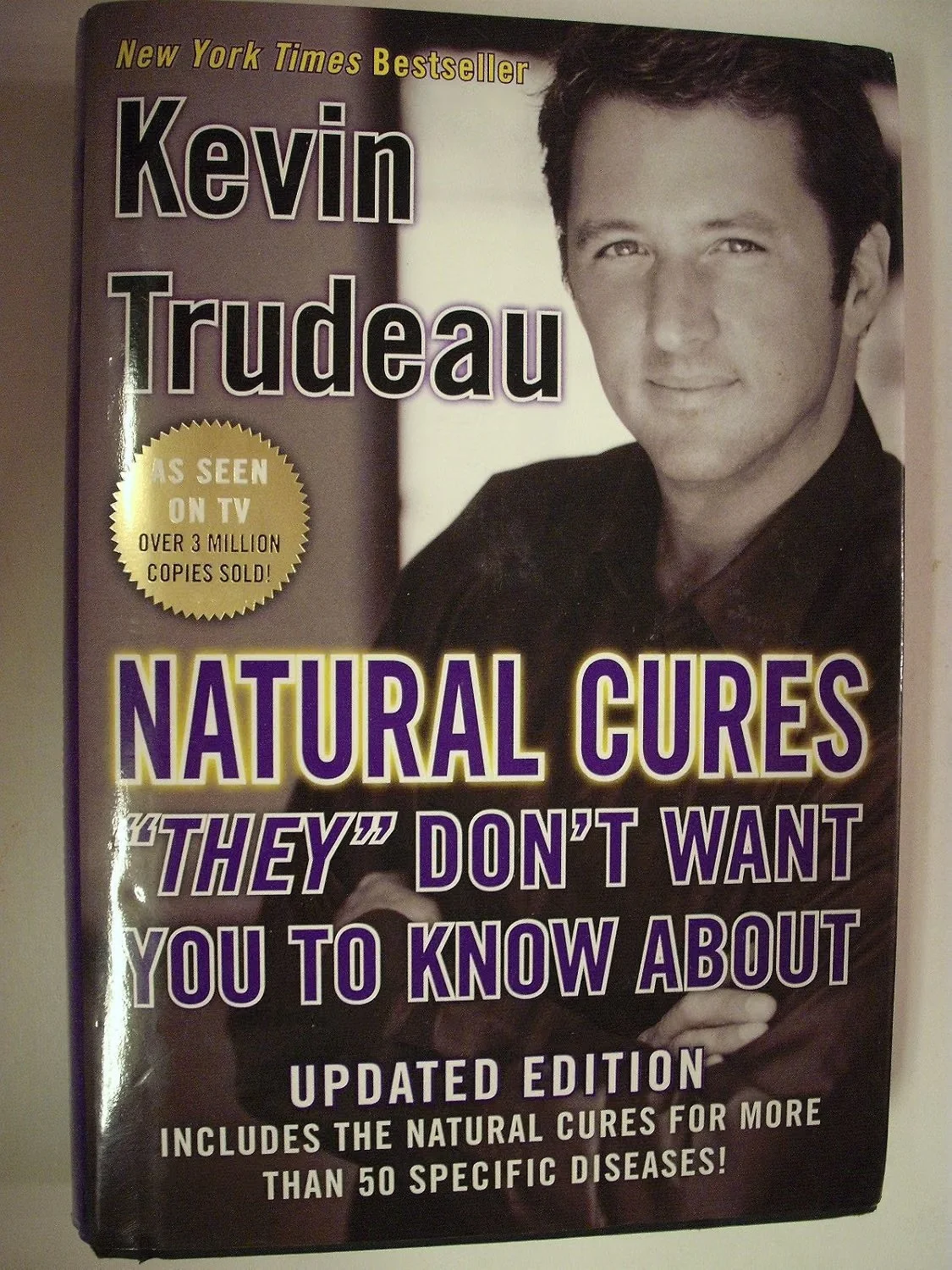
Natural Cures “They” Don’t Want You to Know About
Kevin Trudeau
A book that challenged the way I thought about health, medicine, and the role of prescription drugs. Kevin Trudeau argues that many health problems should be approached first through diet, lifestyle, prevention, and natural methods rather than assuming medication is always the primary answer. Whether or not a reader agrees with every claim in the book, it can push you to ask better questions about your health and to take a more active role in understanding the choices available to you.
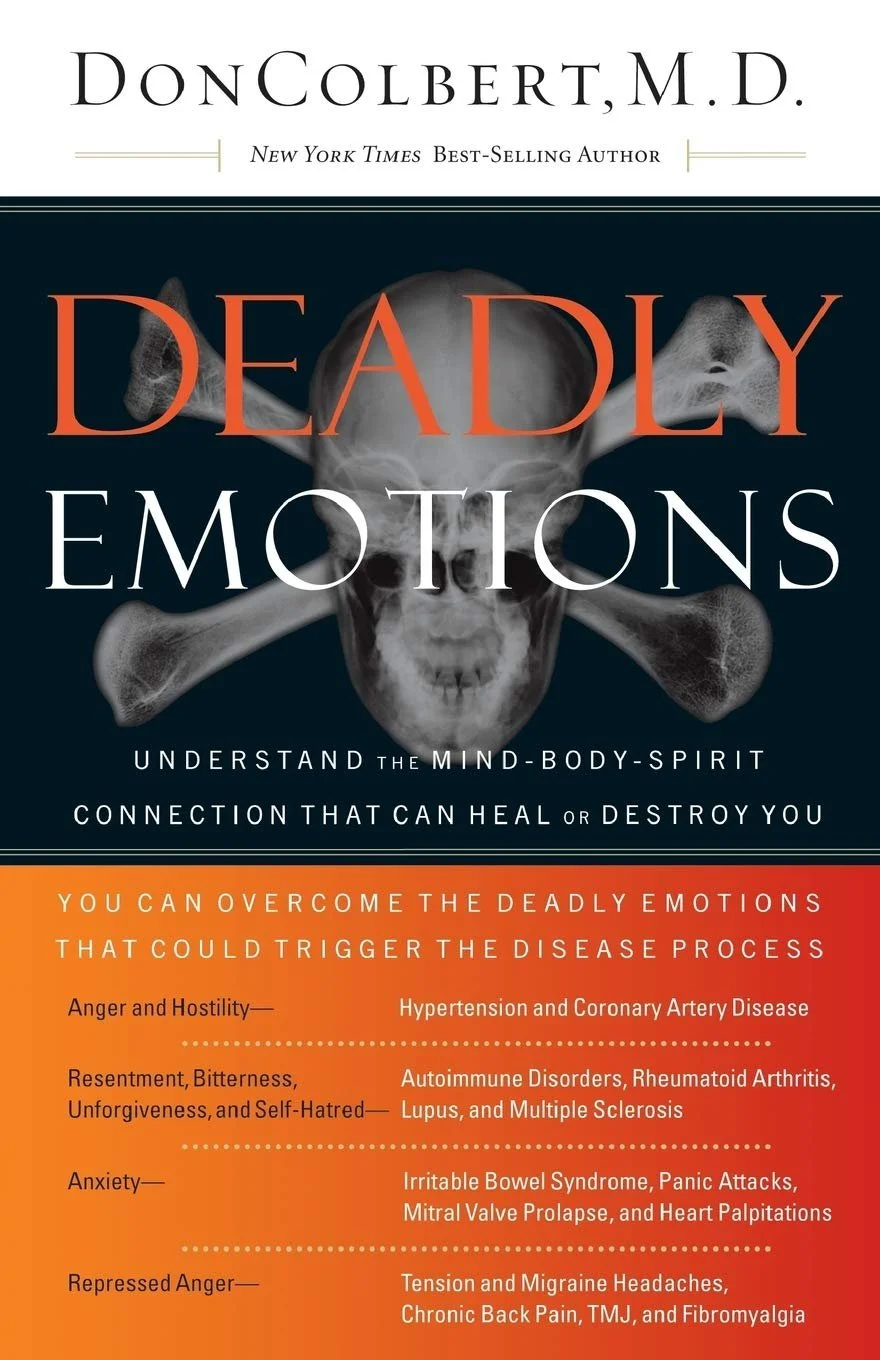
Deadly Emotions
Don Colbert, M.D.
A book about the connection between chronic stress, anger, fear, resentment, and physical health. Don Colbert argues that unresolved emotional strain can affect the body in very real ways and encourages readers to address both the emotional and spiritual roots of stress rather than treating health as purely physical. It is especially useful for readers interested in the relationship between mindset, faith, stress, and overall well-being.
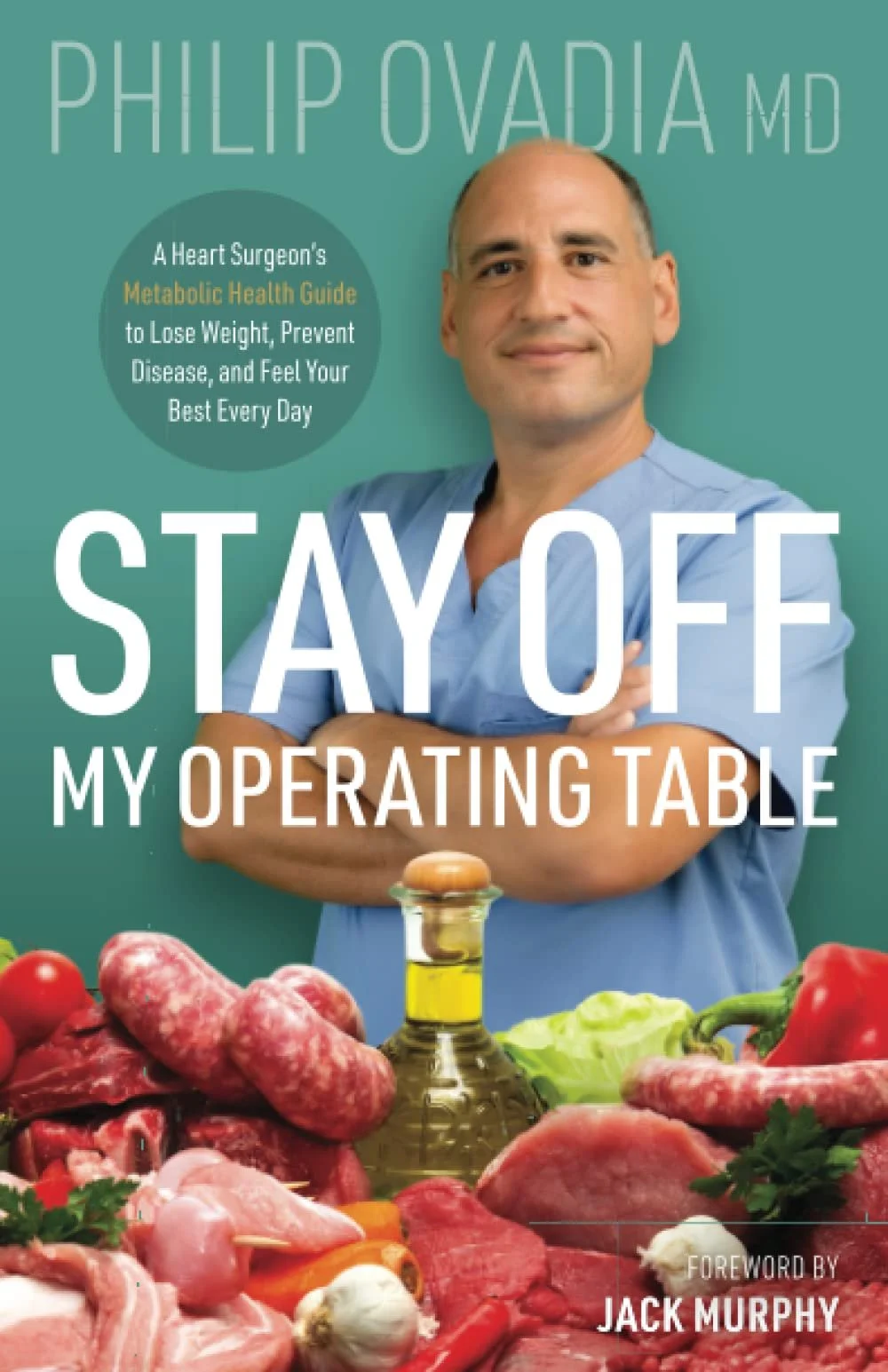
Stay Off My Operating Table
Philip Ovadia, M.D.
Written by a heart surgeon who became concerned with how often chronic disease is treated only after serious damage has already been done, Stay Off My Operating Table focuses on metabolic health, nutrition, weight, and disease prevention. Ovadia argues that many people can reduce their risk of ending up in the operating room by improving the way they eat and live long before surgery becomes necessary. It is especially useful for readers who want to understand metabolic health from the perspective of a physician who has spent years treating the consequences of poor metabolic health.
Fiction & Literature
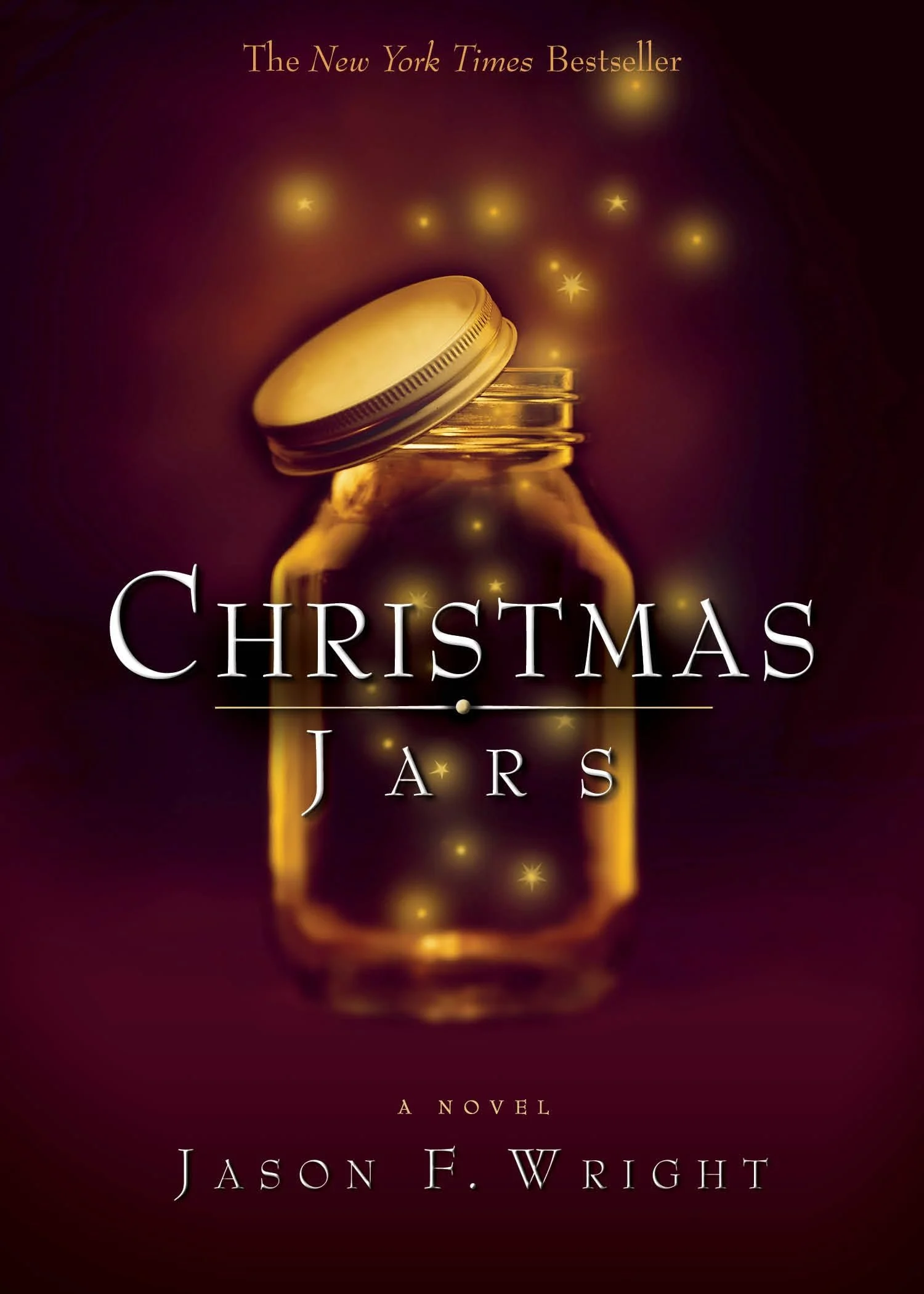
Christmas Jars
Jason F. Wright
A warm, uplifting story built around a simple act of generosity: saving spare change throughout the year and anonymously giving the jar to someone in need at Christmas. Christmas Jars explores kindness, gratitude, sacrifice, and the way one quiet act can affect far more people than expected. It is a good choice for readers who enjoy faith-friendly fiction with a practical message about generosity and caring for others.
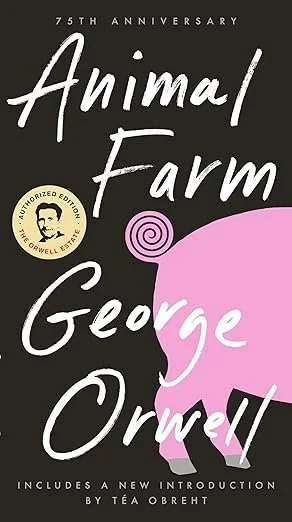
Animal Farm
George Orwell
A political allegory about a revolution that begins with promises of equality and justice but gradually becomes another form of tyranny. I recommend Animal Farm because its themes of propaganda, manipulated language, political double standards, and leaders exempting themselves from the rules they impose on others are not confined to the twentieth century. The book remains useful because it shows how quickly noble slogans can become tools of control when people stop questioning those in power.
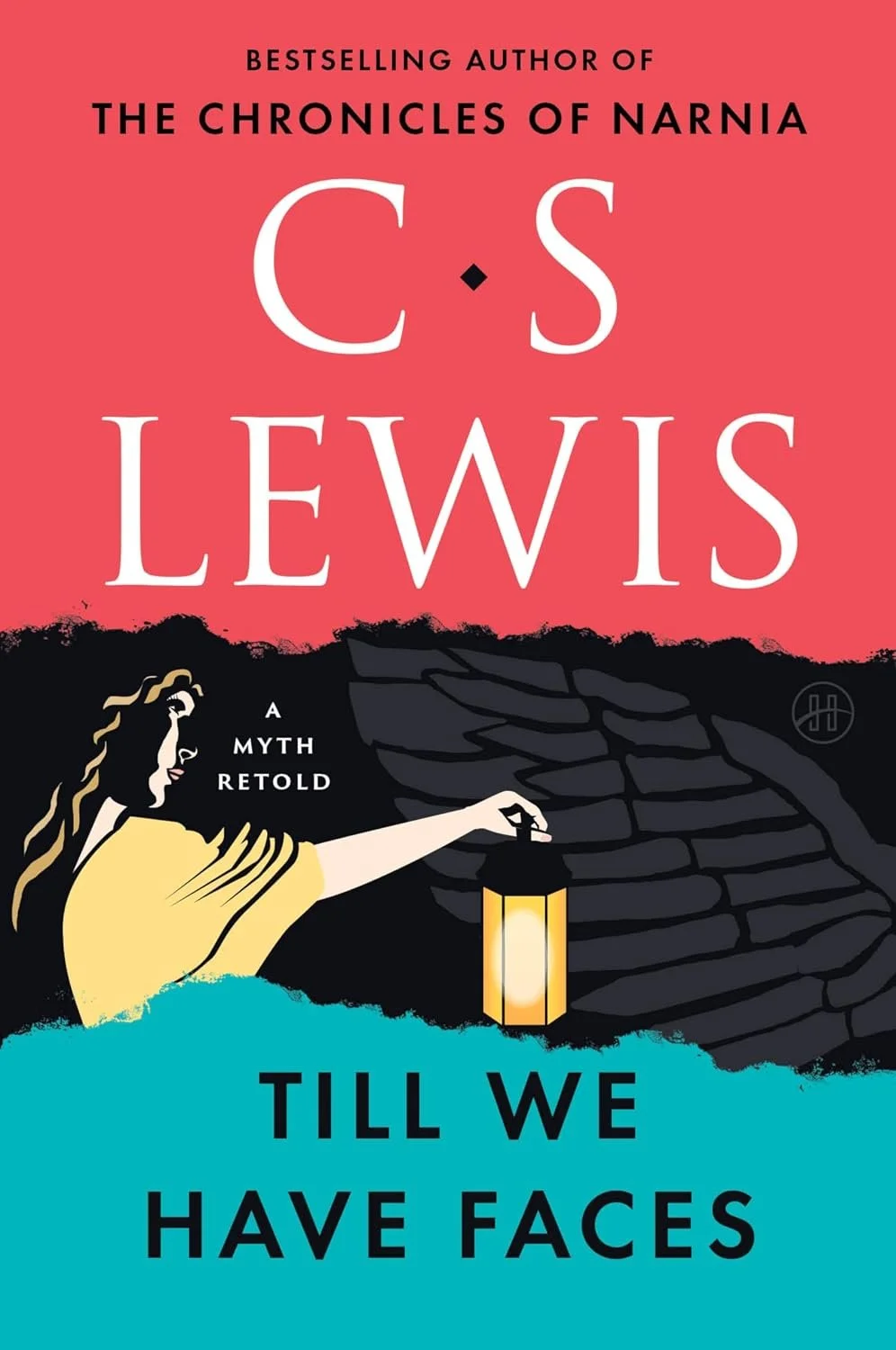
Till We Have Faces
C. S. Lewis
A retelling of the myth of Cupid and Psyche, but also a much deeper story about love, jealousy, suffering, self-deception, and the way we accuse God when we do not understand what He is doing. Lewis uses the character of Orual to show how easily love can become possessive and how difficult it is to see ourselves truthfully. I recommend it because it forces the reader to confront the difference between loving someone and trying to control them, while also wrestling with the mystery of God’s silence and human suffering.
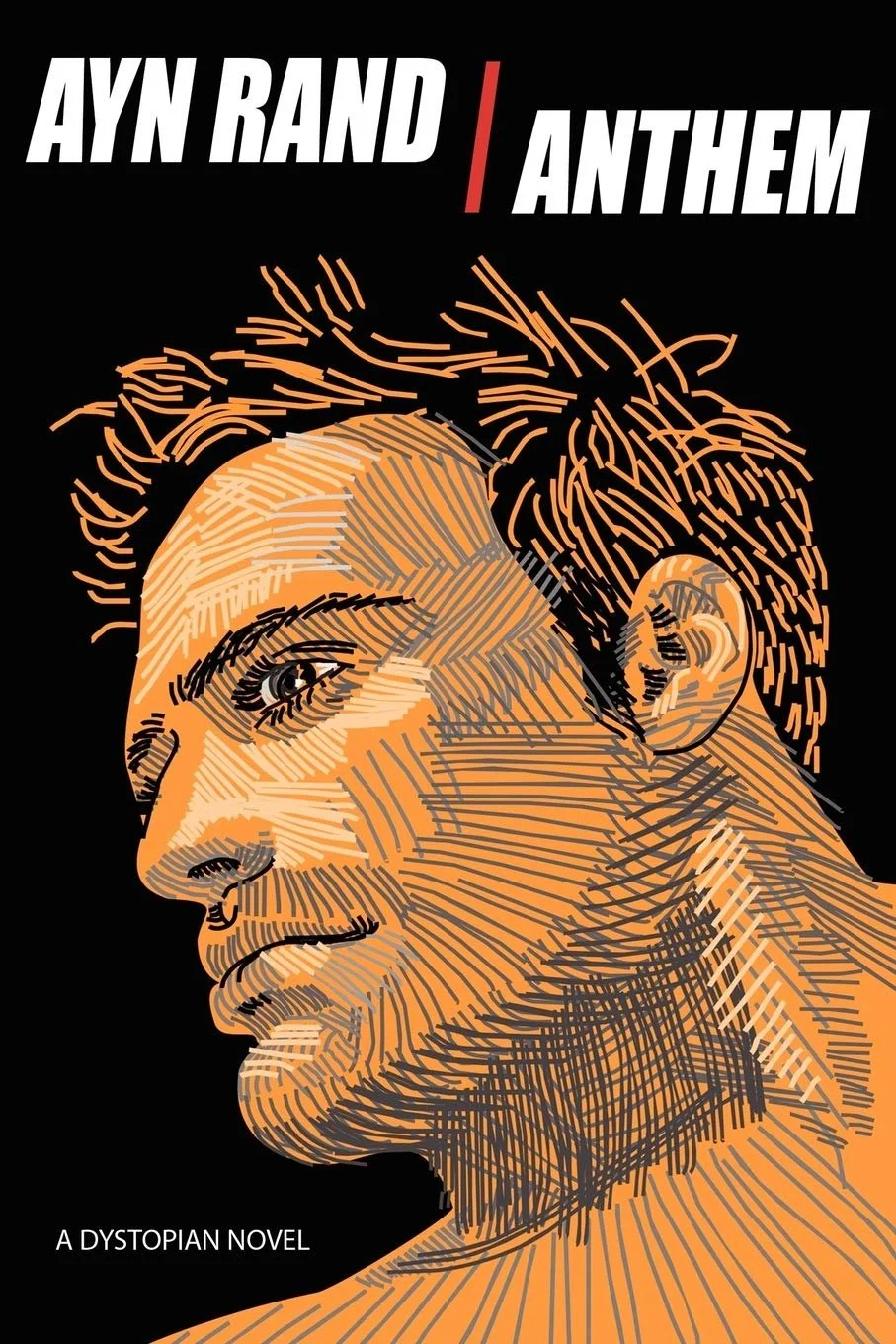
Anthem
Ayn Rand
A short dystopian novel about a society where individuality has been erased and people are expected to exist only for the collective. I recommend it because its warnings about conformity, group identity, and the loss of personal freedom feel increasingly relevant to modern political and cultural debates. Anthem asks what happens when society stops treating the individual as a person with rights, conscience, and responsibility, and instead reduces everyone to a function of the group.
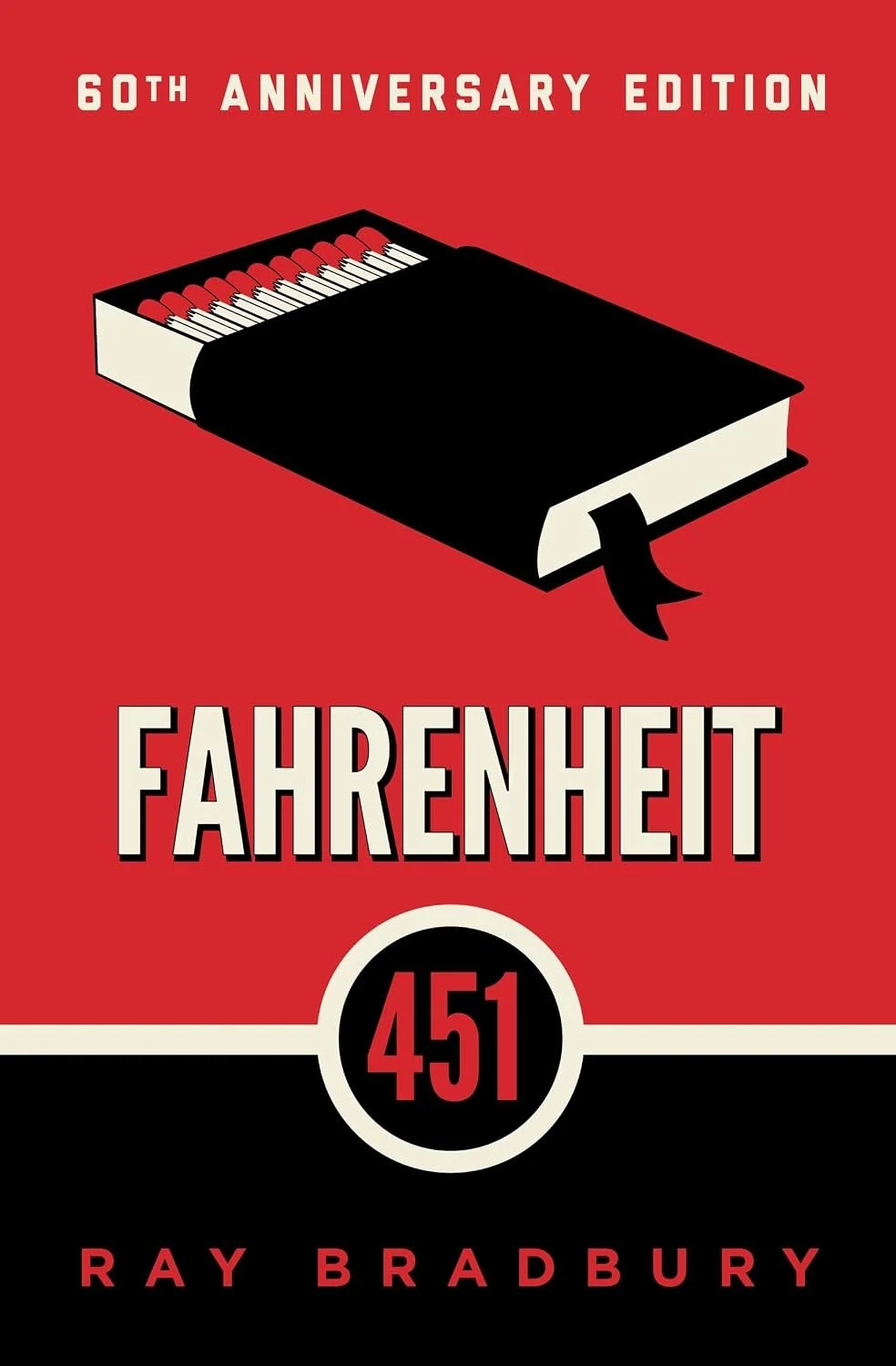
Fahrenheit 451
Ray Bradbury
A dystopian novel about a society where books disappear not only because they are censored, but because people increasingly prefer distraction and effortless entertainment over difficult thought. Bradbury’s warning feels especially relevant today: books do not always have to be burned to be lost—they can simply be forgotten. The novel explores censorship, conformity, media saturation, and what happens when a culture stops valuing reflection, memory, and intellectual freedom.
Lord of the Flies
William Golding
A dark novel about a group of boys stranded without adult authority who attempt to build their own society. As order breaks down, fear, tribalism, violence, and the struggle for power begin to take over. Lord of the Flies is a powerful examination of human nature and the limits of civilization, raising uncomfortable questions about whether evil is mainly produced by society—or restrained by it.
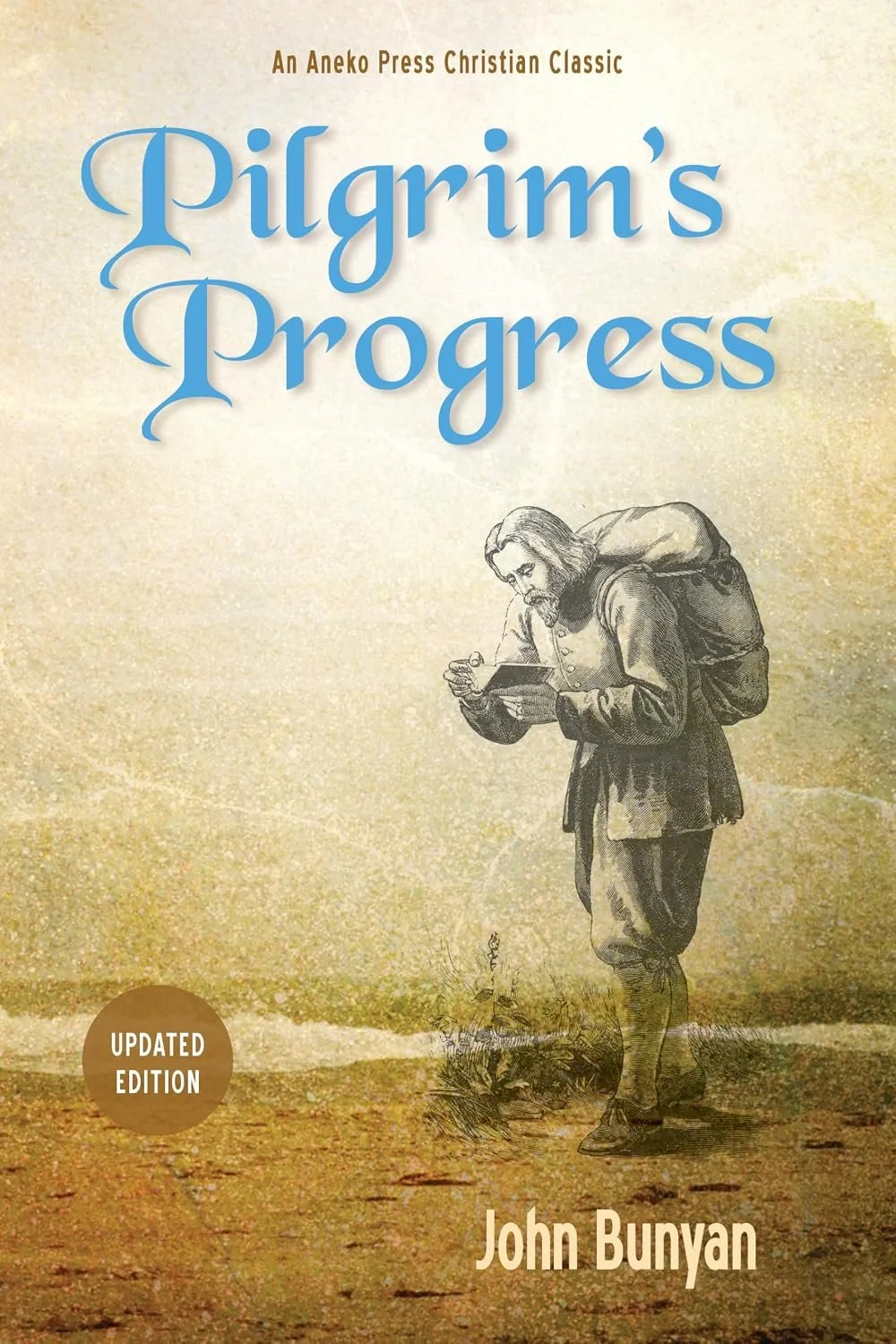
The Pilgrim’s Progress
John Bunyan
A Christian allegory following a man named Christian as he leaves the City of Destruction and journeys toward the Celestial City. Along the way, he faces temptation, fear, discouragement, false teaching, pride, suffering, and the constant pull to abandon the path. The Pilgrim’s Progress remains powerful because it turns the Christian life into a story of perseverance, repentance, faith, and endurance. I recommend it because many of the struggles Christian faces are the same ones believers still wrestle with today.
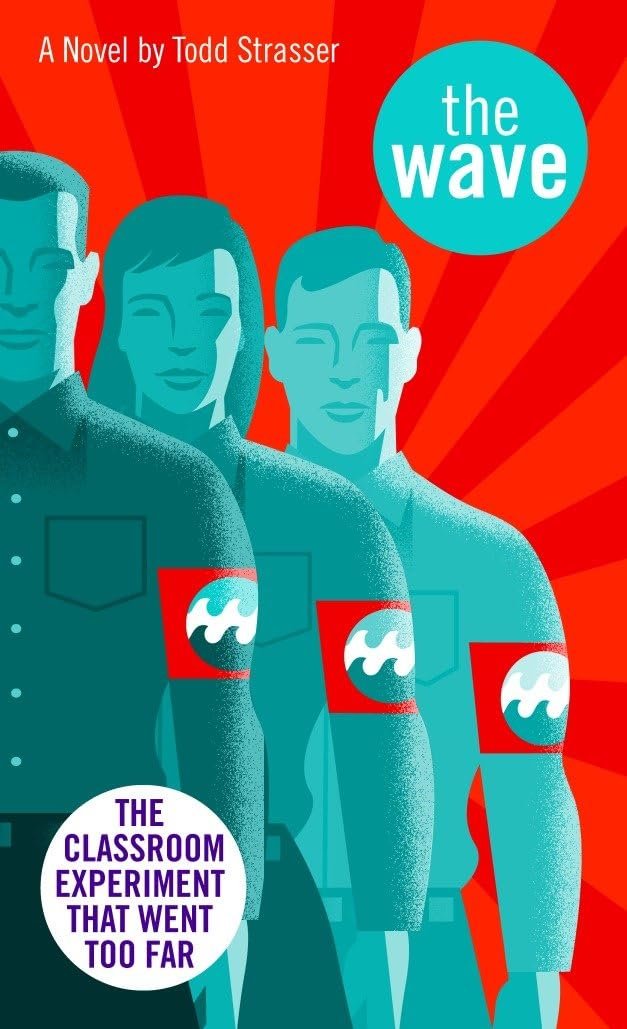
The Wave
Todd Strasser
A novel based on a real classroom experiment showing how quickly people can be drawn into authoritarian thinking through discipline, unity, belonging, and peer pressure. I recommend The Wave because its warning still feels current: people do not always surrender freedom because they are forced to—they can give it up willingly when conformity feels safer than independent thought. The story is a powerful reminder of how easily group identity, social pressure, and obedience can overwhelm personal judgment.
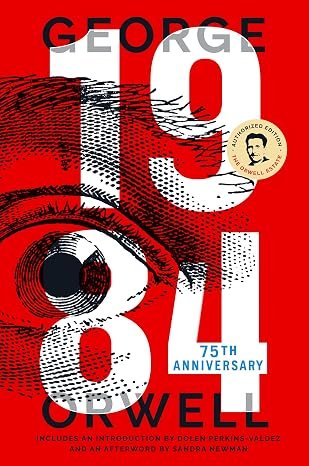
1984
George Orwell
A dystopian novel about surveillance, propaganda, censorship, manipulated language, and the rewriting of history. I recommend 1984 because many of Orwell’s warnings no longer feel like distant fiction. The methods he described for controlling information, shaping language, pressuring conformity, and making people doubt what they have seen or remembered are increasingly recognizable in modern public life. Orwell was not writing a timetable, but a warning—and parts of that warning feel as though they are coming to pass today.
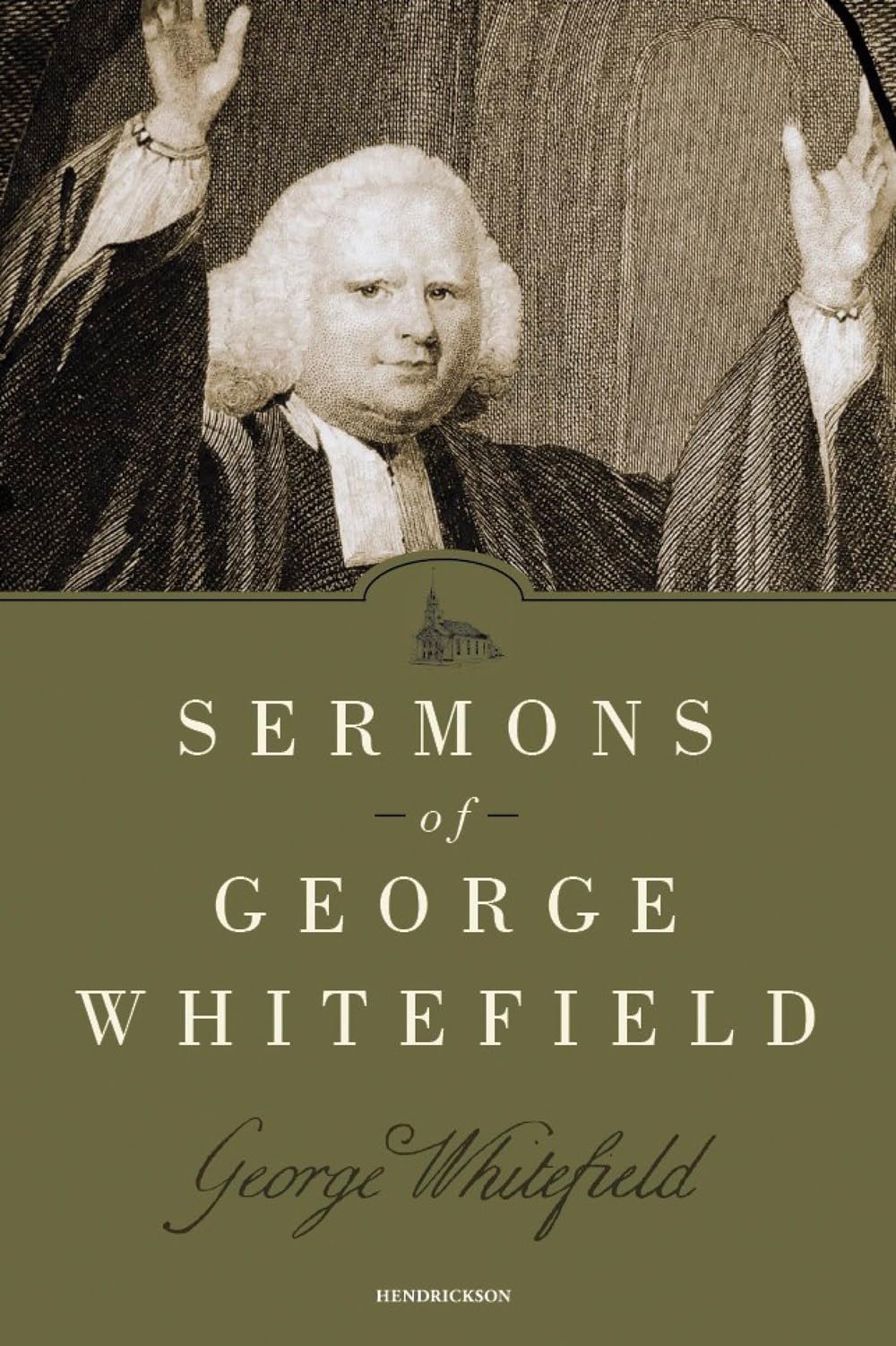
Sermons of George Whitefield
George Whitefield
A collection of sermons from one of the most influential preachers of the Great Awakening. Whitefield writes with urgency about repentance, conversion, the new birth, grace, and the necessity of a living faith in Christ. His sermons are valuable not only for their theology, but also for seeing how eighteenth-century evangelical preaching actually sounded. This is especially worth reading for anyone interested in revival history, preaching, and the development of evangelical Christianity in Britain and America.
Sermons/Teaching
Economics & Politics
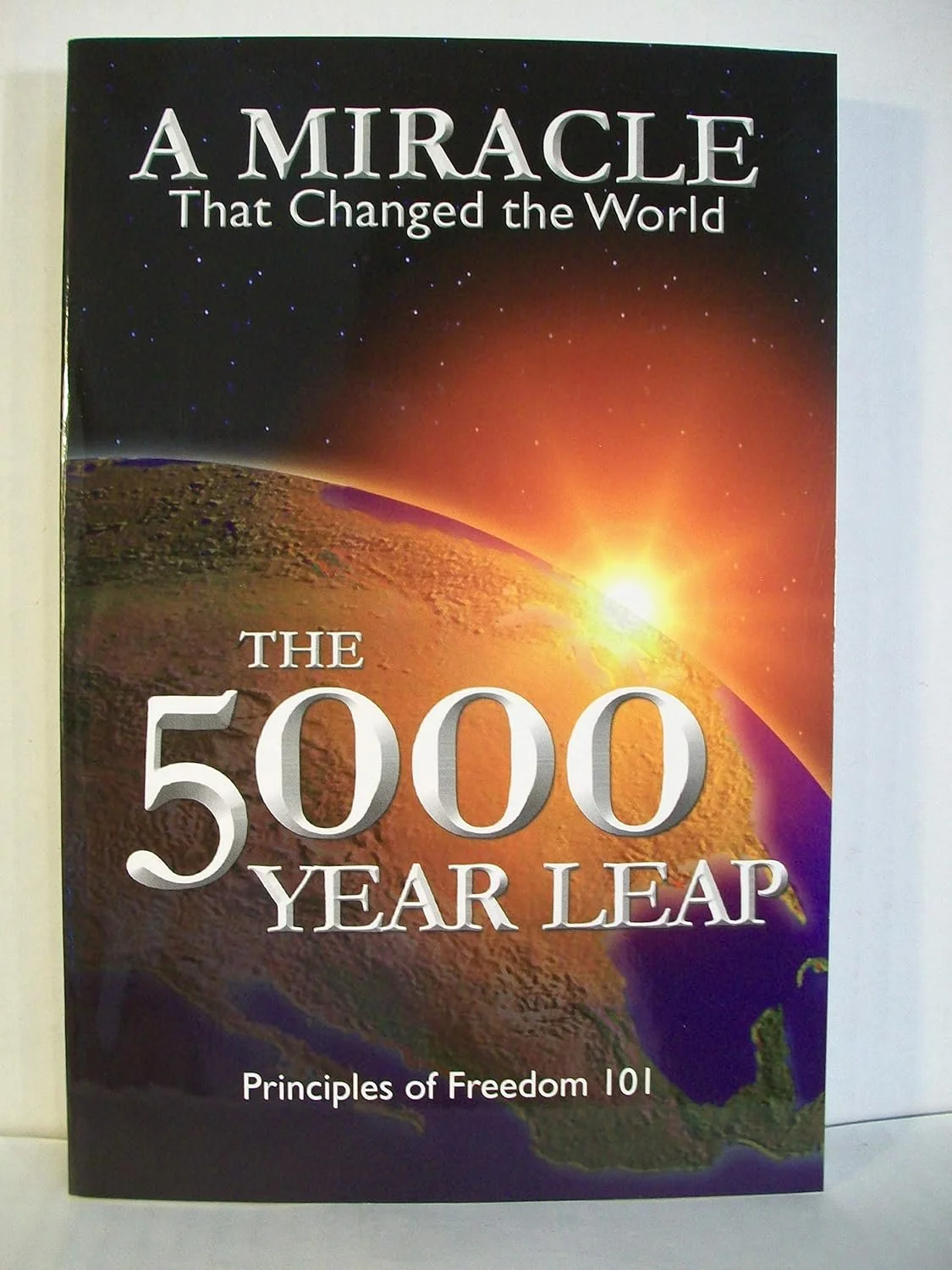
The 5,000 Year Leap
W. Cleon Skousen
The government course you may wish you had been taught in high school or college. The 5,000 Year Leap presents the principles of liberty through the ideas, arguments, and writings that influenced the American Founders. It invites readers to look beyond modern political labels and examine the foundations of limited government, individual rights, personal responsibility, and constitutional order. For readers who want to understand the reasoning behind the American system of government, this is a thought-provoking place to start.